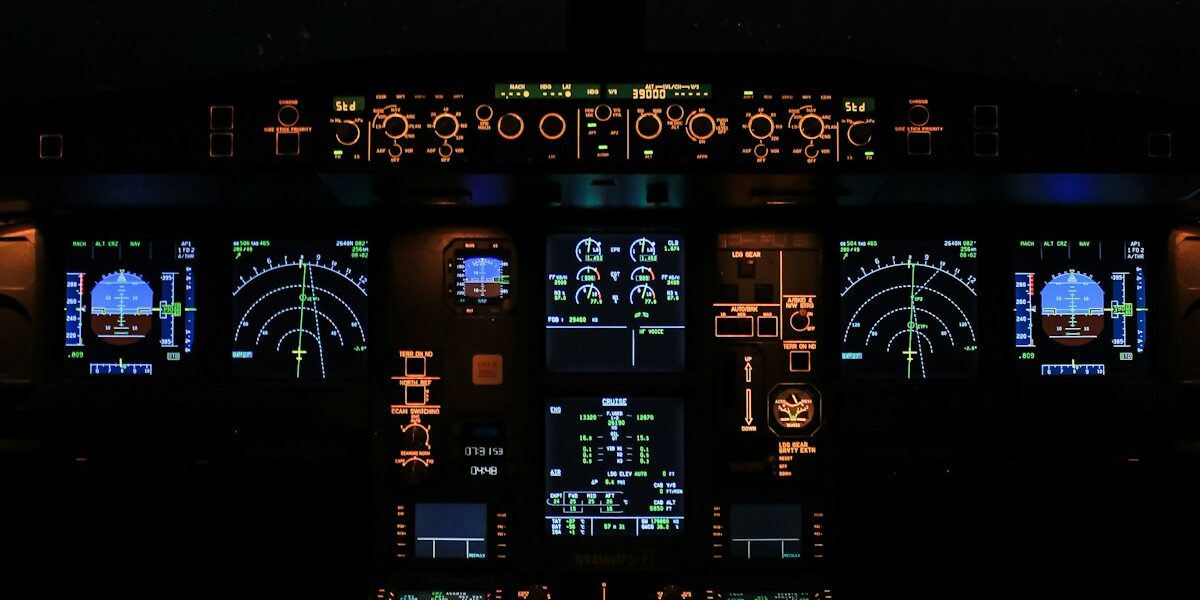
How Shutter Speed Influences Exposure and Motion
Shutter speed is the duration the shutter stays open. Longer times let more light reach the sensor, increasing exposure; shorter times reduce light. Fast shutters freeze motion, while slow ones blur moving subjects. Thus, shutter speed simultaneously controls brightness and the motion detail captured in a photo. (Primary source)
Moose Peterson’s Exposure Preferences
According to photographer Moose Peterson, jets are best shot in aperture priority, using f/5.6 to f/8 and letting the camera set shutter speed. For propeller planes he recommends shutter priority, with speeds between 1/25 s and 1/125 s to blur the props and give a sense of motion, though this approach may not always produce the desired result. (Primary source)
What Panning Is and Why Backgrounds Blur
In panning, you track a moving subject with the camera during exposure, keeping the subject in focus while the background is smeared because the camera moves relative to the scene at a slow shutter speed. The subject may remain sharp, but success is not guaranteed; many shots will miss, so shooting many is essential. (Primary source)
Practice with Moving Subjects Before the Show
If you’re visiting an air show for the first time, consider your initial day a practice session. Before you head to the venue, try shooting a moving subject—such as a dog running in the yard or kids riding bikes—to get comfortable panning and shooting on the move. This helps set the foundation for a productive first day at the show. (Primary source)



Stay in the loop
Get the latest airshow spectacle updates delivered to your inbox.