The Hard Truth About Seeing an SR-71 Fly Today
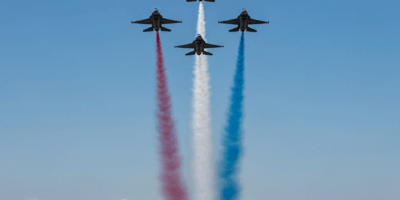
SR-71 airshow coverage has gotten complicated with all the misinformation flying around. So let me just say it plainly upfront: there is no airshow in 2025 where you will see a Blackbird fly. That question rests on a false premise, and you deserve a straight answer before you plan anything.
The last public SR-71 flight happened in July 1999. NASA shut the program down that summer — permanently — and every airworthy Blackbird went straight to a museum. Full stop. If you’re picturing one of these jets screaming overhead, contrails carving impossible shapes, that unmistakable howl rattling your chest cavity — that’s not happening. Not in 2025. Not ever again.
I learned this the hard way, honestly. Drove three hours to an airshow at Edwards once. Completely convinced a Blackbird would materialize. Spent the whole afternoon watching F-16s and vintage warbirds, squinting at the horizon like an idiot, then drove home empty-handed. Don’t make my mistake. Do the research first.
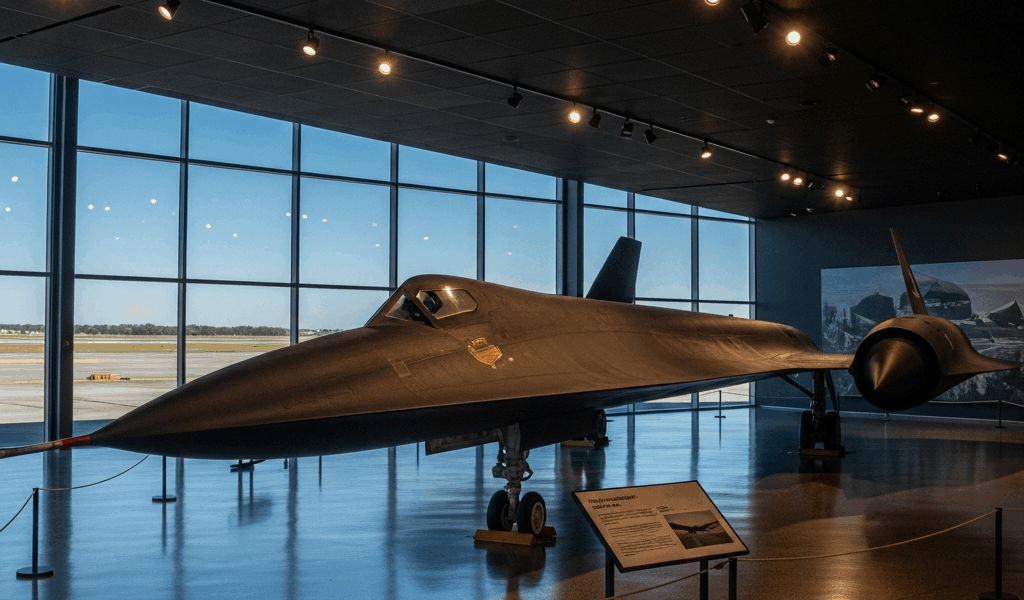
But here’s the thing — the airframe alone still stops crowds cold. Sixty feet long, 107-foot wingspan, that distinctive chined fuselage that looks like it belongs in a fever dream. A static SR-71 pulls people in ways that most flying aircraft simply can’t. Phones come out immediately. Kids press against every barrier they can find. The mystique hasn’t faded because the machine itself was genuinely extraordinary — faster, higher, farther than anything else that ever flew.
That’s what makes the Blackbird endearing to us aviation people. We grew up memorizing its specs. We argued about it online before there even was an online. So when a museum or airbase rolls one out onto the static ramp, we show up in force. And it matters.
Airshows With SR-71 Static Displays in 2025
Your realistic options for seeing a Blackbird in a public airshow context come down to location and timing. So, without further ado, let’s dive in — based on historical patterns and confirmed scheduling where available.
Beale Air Force Base Open House
Beale, near Marysville in northern California, is essentially Blackbird country. The 9th Strategic Reconnaissance Wing flew them out of here. When the base runs open houses — which isn’t every single year — tail number 61-7972 often appears on the ramp. Verify dates directly with the base public affairs office. Schedules slip. When it does happen, get there by dawn. The crowd is legitimately intense by 9 a.m., and the SR-71 area gets congested fast.
Air Force Armament Museum at Eglin AFB
Eglin sits in Florida’s panhandle, and it houses the Air Force’s premier weapons museum. Tail number 61-7980 lives here, occasionally featured during Heritage Day and public viewing events scattered across the calendar. Check their website quarterly rather than once and forgetting about it. The museum itself is worth half a day regardless of whether the Blackbird is positioned outside — though obviously outside is better.
Edwards Air Force Base Heritage Day
Edwards in California runs periodic open houses. Tail number 64-8972 belongs to the Air Force Flight Test Center museum here. Probably should have opened with this caveat, honestly: not every open house guarantees the SR-71 will sit somewhere the public can actually access it. Some years it stays in restricted zones. Call ahead. Ask specifically about where the Blackbird will be positioned.
Castle Air Museum Events (California)
Castle, near Atwater, hosts occasional airshows and has displayed an SR-71 in past years. Their schedule is inconsistent — this is a “check their calendar every few months” situation rather than a reliable annual event. Good museum though. Worth watching.
One critical caveat across all of these: static display locations shift without warning. A Blackbird might be mid-maintenance, relocated to another facility, or cordoned off entirely due to security updates. Verify any specific show 30 days out by calling the base public affairs office directly. Do not drive six hours based on a forum post from 2023.
Museums Where You Can See a Blackbird Year-Round
If airshow scheduling feels too chaotic — and it is, genuinely — these permanent installations are worth building a trip around:
- National Air and Space Museum Udvar-Hazy Center (Chantilly, Virginia) — The most accessible option for East Coast visitors. Tail number 61-7971, displayed indoors in the main hangar. You can get surprisingly close. Admission to the center is free; parking runs $15.
- Air Force Flight Test Center Museum (Edwards AFB, California) — Open select weekdays. Call 661-277-8050 before you go to confirm visiting hours — they change.
- Strategic Air Command & Aerospace Museum (Ashland, Nebraska) — Climate-controlled facility with an SR-71 on static display. Worth the detour if you’re anywhere near I-80.
No special event calendar required at any of these. Show up, pay admission — usually somewhere between $5 and $15 — and see the bird on your own schedule. That simplicity alone is worth something.
Why SR-71 Appearances Still Stop a Crowd Cold
Stripped of flight, the Blackbird dominates differently than it ever did in the air. You can actually study it.
Standing on the ramp next to one, the proportions genuinely hit you. Those chines running the full fuselage length. The engine inlets with their moving geometry — engineered to sculpt a standing shock wave out of raw airflow. The titanium skin, still bearing scorch marks from sustained Mach 3.2 operation. This is engineering functioning as sculpture. It’s almost unsettling.
Crowds cluster. Kids trace the fuselage silhouette with their eyes. Photographers circle endlessly, hunting angles. Pilots study the cockpit layout like they’re preparing for something. Military historians stand completely still, processing the reality that human beings sat inside that machine and flew it over denied territory at 2,200 miles per hour while surface-to-air missiles climbed toward them. Nobody intercepted it. Nobody shot one down — ever. The fastest manned aircraft ever built went undefeated for its entire operational life.
A static display somehow amplifies this. Without engine noise to distract you, you can actually absorb what you’re looking at. The audacity of the design. The craftsmanship visible in every panel line. That’s why people queue up at airshows to see a jet that hasn’t flown in 26 years.
Worth noting: the SR-72 successor program is real. Lockheed Skunk Works is actively developing hypersonic platforms. Someday — probably not 2025, but eventually — there may be something even faster. The SR-71 will still be the original. The one that proved the concept was survivable.
How to Plan Your Trip Around a Blackbird Sighting
While you won’t need to camp overnight or hire a travel agent, you will need a handful of practical moves to avoid wasting a very long drive:
- Verify 30 days out. Call the base or museum directly. Forum posts from 2022 are not a reliable source. Maintenance happens on no predictable schedule. One phone call with a human saves you a four-hour round trip to nowhere.
- Arrive early. The SR-71 ramp area gets crushingly crowded before 10 a.m. If the show opens at 8, be in line at 7:15. You want photos without 200 people in frame, and you want room to actually stand still and look at the thing.
- Bring a telephoto lens. Static displays almost always cordon off the aircraft. A 200mm lens — at least if you care about detail shots — lets you frame the inlet geometry and fuselage chines without needing to physically touch it. That’s where the visual payoff lives.
- Talk to the volunteers. Museum staff and retired crew chiefs know everything worth knowing. Ask about the specific tail number’s operational history. Ask why it was retired when it was. Ask about maintenance quirks. These conversations are often the actual highlight of showing up in person.
- Budget honestly for travel. Beale is 80 miles north of Sacramento. Eglin is a three-hour drive from any major Florida airport. Edwards sits in the Mojave, which is remote by definition. Factor in gas, lodging if you’re coming from out of state, entry fees — usually free for base open houses, $10 to $20 for museum events — and food. A proper Blackbird pilgrimage costs real money.
The SR-71 will never fly publicly again. That’s just the truth. But it’s still worth the trip — the drive, the early alarm, the sunscreen, all of it. Go see it. Ask questions. Take photographs. Understand what you’re actually looking at. That’s how the Blackbird stays alive — not in the air anymore, but in the people who refuse to let it become just another airplane parked in a hangar somewhere.
Stay in the loop
Get the latest airshow spectacle updates delivered to your inbox.