I’ve shot over 200 airshows across three continents. The single biggest mistake amateur photographers make? Standing where everyone else stands. Here’s the positioning knowledge that took me a decade to accumulate.
The Show Center Myth
Show center – marked by the announcer’s platform and typically the most crowded area – offers one genuine advantage: you’re at the mathematical midpoint of aerobatic performances. Loops, rolls, and vertical maneuvers are centered on your position.
But here’s what the crowds don’t realize: show center also means you’re shooting directly into the performing aircraft’s belly during most passes. The “hero shot” profile view? That happens at the crowd’s edges, where you can catch aircraft banking toward you with full topside visible.
Where the Pros Actually Position
30-45 degrees off show center: This is the photographer’s sweet spot. You get angled passes that reveal aircraft shape, you’re close enough to catch aerobatics, and you avoid shooting straight into underwings all day. At most shows, this means positioning yourself 200-400 meters to either side of the announcer’s booth.
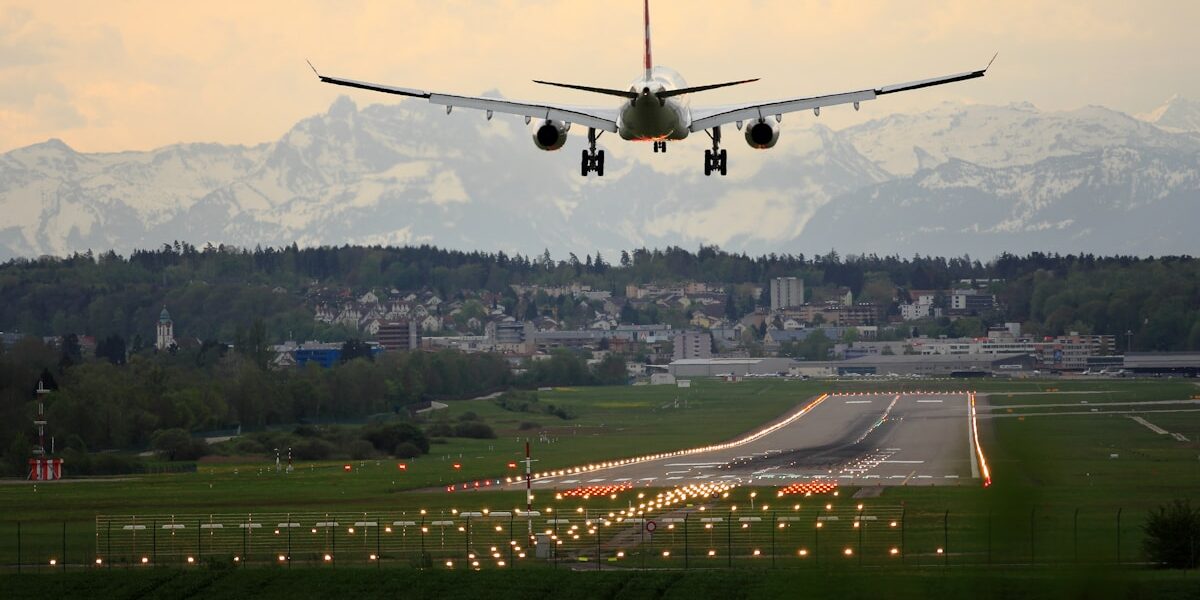
The arrival/departure end: For Heritage Flights and formation passes, being near the end where aircraft approach gives you head-on shots impossible from show center. Yes, you’ll miss the departure view, but those approach shots with multiple aircraft stacked against blue sky are the money shots.
Near the runway threshold: If your show allows crowd positioning near the active runway (Oshkosh excels here), takeoff and landing shots offer drama that aerobatics can’t match. A Spitfire pulling off the runway directly toward your lens is unforgettable.
Sun Position Strategy
This is where amateurs consistently fail. At a typical afternoon show (1pm-4pm), the sun moves from nearly overhead to your western horizon. For optimal lighting, you want the sun behind you or to your side – never facing it.
Morning shows: Position yourself on the western crowd edge
Afternoon shows: Position yourself on the eastern crowd edge
Golden hour performances: Move to the extreme edge opposite the setting sun
Yes, this means moving during the show. Serious photographers relocate 2-3 times during a full day’s program, chasing optimal light angles.
The Crowd Factor
Even with perfect positioning, 50,000 other spectators create problems. Here’s how professionals handle it:
- Arrive early: Not for good parking – for front-row positioning at your chosen spot
- Bring a step stool: A stable 12-inch platform keeps your shots above the sea of smartphones
- Scout during static displays: While everyone photographs parked aircraft, walk the crowd line and identify your shooting positions
- Accept limitations: Some shots require media credentials. Focus on angles accessible to general admission
Show-Specific Secrets
Blue Angels/Thunderbirds: The sneak pass always comes from behind the crowd. Position yourself where you can spin 180 degrees without obstruction.
Warbird formations: These aircraft typically make longer, slower passes. Crowd edges give you extended tracking opportunities.
Jet teams: For opposing passes (two jets crossing at show center), being slightly off-center gives you a staggered crossing that separates the aircraft visually.
The best photograph I ever captured came from the far eastern edge of a show, nearly outside the official viewing area, as an F-22 banked into sunset light at 45 degrees. Show center would have given me a belly shot. Position is everything.
A VIP label does not automatically mean the best sightline. Compare the map and amenities with our airshow VIP ticket decision guide.



Stay in the loop
Get the latest airshow spectacle updates delivered to your inbox.