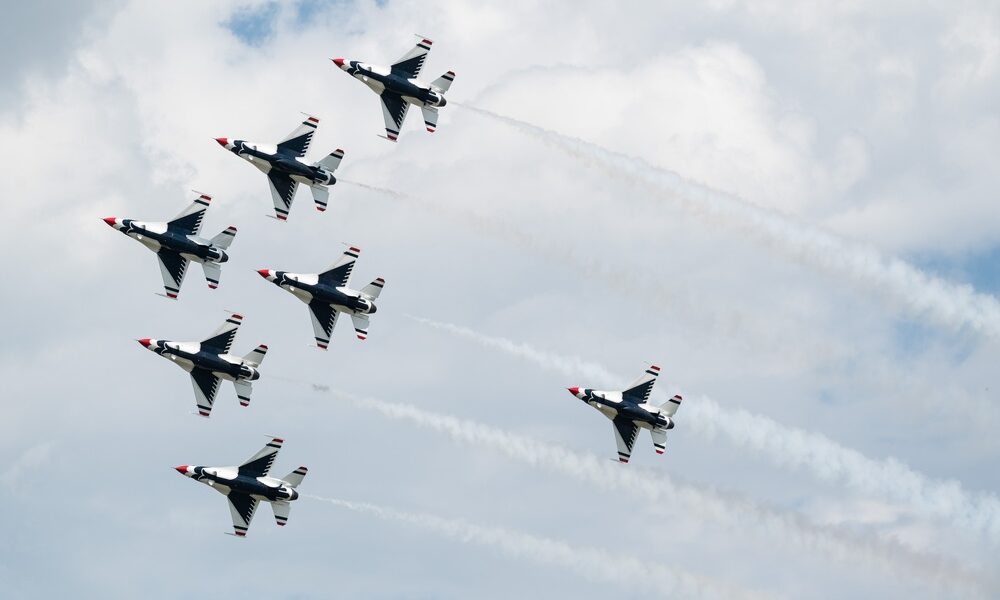
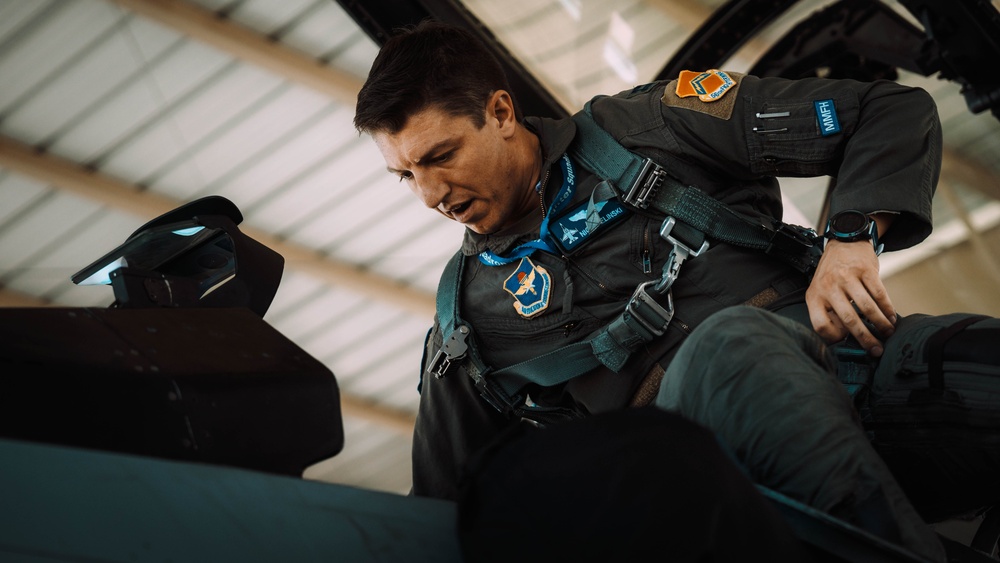
Thunderbirds cockpit tours have gotten complicated with all the conflicting information flying around about what you can actually do once you get up there.
The crew chief gestures you forward. You are about to step into the cockpit of an F-16 that was pulling 9Gs an hour ago. What can you actually touch, and what does the experience truly feel like? Here is the honest breakdown.
How Cockpit Tours Actually Happen
Military demonstration teams conduct cockpit tours through several channels and none of them are guaranteed unless you plan ahead.
VIP packages: Many airshows sell premium experiences running $300 to $1,000 that include supervised cockpit access. You typically get 5 to 15 minutes in the seat with a crew chief explaining systems and answering your questions. These sell out fast at the bigger shows.
Make-A-Wish and similar programs: Young people with medical situations regularly receive extensive cockpit access through official channels. The teams are incredibly generous with their time in these cases.
Sponsor events: Corporate sponsors sometimes receive cockpit tour allocations as part of their packages. If your company sponsors a show, ask about this specifically.
Random selection: Some teams run key drops or random drawings among general admission attendees. The odds are genuinely long, but I have watched people win these and the look on their faces was worth the entire admission price.
What You Are Actually Allowed to Touch
Crew chiefs supervise all cockpit interactions carefully. They have done this hundreds of times and they know exactly what to let you handle.
HOTAS controls: The stick and throttle — Hands On Throttle And Stick, which is where the acronym comes from — are typically fair game. You will feel how the stick moves in its gimbal, though the forces are lighter than most people expect. There is no direct mechanical connection to the flight surfaces on an F-16 since it is fly-by-wire. The stick barely moves. That surprises everyone.
Seat adjustment: The crew chief will likely raise or lower you to proper position using the seat controls so you can see over the canopy rail properly.
Rudder pedals: You can press these and feel the mechanical linkage respond. Most visitors are surprised at how much force the pedals take compared to the stick.
Canopy rail: You can grip where pilots naturally rest their arms during less demanding phases of flight. It gives you a sense of the workspace dimensions.
What You Absolutely Cannot Touch
Master arm and weapons panels: Even on static display jets, the weapons systems areas are strictly off-limits. Some switches are covered or safed specifically for display purposes but the rule is clear.
Communication equipment: Radio and IFF systems remain protected. These are sensitive systems even when powered down.
Engine controls: Beyond basic throttle movement for the feel of it, engine management systems are not for visitor interaction.
Ejection seat handles: For obvious reasons, anything related to the Martin-Baker ejection system is strictly hands-off. Those yellow and black striped handles exist specifically to scream “do not grab this” and the crew chief will position you so you are not near them. I watched one visitor reach toward the handle once and the crew chief’s hand moved faster than I have ever seen a human react.
The Sensory Experience
What strikes most visitors first is how small the cockpit actually feels. Fighter cockpits are designed around human reach envelopes, not comfort. Every single switch and display is positioned within arm’s movement range of a strapped-in pilot wearing full flight gear. There is zero wasted space.
The second revelation is visibility. Once seated properly, you understand immediately why pilots describe the F-16 bubble canopy as sitting on a chair in the sky. The view is nearly 360 degrees with only the ejection seat headrest blocking directly behind you. It feels exposed in a way that is hard to describe.
The seat itself is reclined 30 degrees from vertical. It feels unusual until the crew chief explains that this position allows pilots to sustain higher G-forces by keeping blood from pooling in their legs. Form follows function in everything about this cockpit.
Questions Crew Chiefs Will Actually Answer
Crew chiefs on cockpit tour duty are often remarkably candid about unclassified aspects of the aircraft. I have heard great conversations about:
- Daily maintenance requirements and turnaround procedures between demos
- General performance capabilities within published specifications
- Their personal career paths and what led them to the Thunderbirds
- Stories about specific aircraft — many jets have histories and nicknames that the crew chiefs know intimately
They will not discuss classified systems, specific combat operations, or anything that could compromise operational security. Do not put them in an awkward position by asking.
Photography During Cockpit Tours
Policies vary by team and event. Most allow personal photos but prohibit certain angles, often looking down into specific instrument panels. Some require all phones and cameras to be held by ground crew during your time in the seat. Ask before assuming anything and respect whatever answer you get. The crew chief is doing you a favor by letting you up there.
Making It Happen
If cockpit access is your goal, research premium packages well before the show. The good ones sell out weeks in advance at major events. Arriving at a show hoping to stumble into cockpit time is possible but unlikely. Budget for the VIP experience if this genuinely matters to you — I have talked to dozens of people who said it was the single best aviation dollar they ever spent, and I have never heard anyone say they regretted the purchase.


Stay in the loop
Get the latest airshow spectacle updates delivered to your inbox.