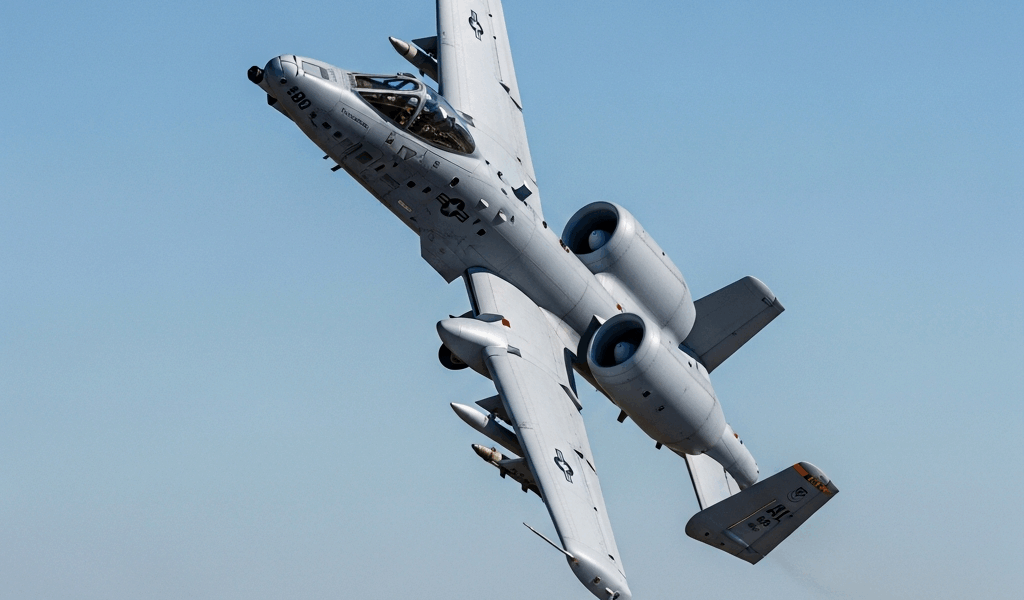
Best Airshows to See the A-10 Thunderbolt in 2025
I’ve spent the better part of a decade chasing military aircraft across the American West, and honestly—the A-10 Thunderbolt has gotten complicated with all the schedule changes and unit rotations flying around. But when you do catch one? Nothing compares. That distinctive, teeth-rattling GAU-8 cannon sound. The way a Warthog can turn inside nearly anything else flying. The sheer, unfiltered aggression of a close-in gun pass that leaves your chest vibrating five minutes after the aircraft passes overhead.
Finding confirmed A-10 appearances requires more than a casual Google search. Schedules change constantly. Units rotate. Don’t make my mistake—I’ve tracked down the most reliable 2025 shows where you’ll actually see one of these legendary tank-killers perform.
A-10 Thunderbolt Schedule for 2025 Airshows
Probably should have opened with this section, honestly. Here are the shows where A-10 appearances are confirmed or extremely likely based on historical patterns and current USAF Demo Team schedules.
Nellis Air Force Base Airshow — May 10-11, 2025
Nellis AFB outside Las Vegas consistently features A-10s from the 57th Weapons Squadron, which operates the Heritage Flight. This two-day event draws 350,000+ spectators — honestly staggering numbers. You’ll see A-10s paired with vintage P-51 Mustangs in formation routines that span seven decades of fighter evolution. The demo typically runs midday both Saturday and Sunday. The 57th WPS pilots are aggressive fliers—expect steep approaches and low-altitude gun runs simulating CAS (close air support) missions.
Davis-Monthan Air Force Base Airshow — March 22-23, 2025
Davis-Monthan is the A-10 spiritual home. The 355th Fighter Squadron, 357th Fighter Squadron, and Reserve units call this place headquarters. Multiple A-10 sorties throughout the day, often mixing demo flights with combat formation passes. March weather in Arizona runs perfect — 78 degrees, minimal wind. Crowds run smaller than Nellis, which means better viewing positions on the flight line. That’s what makes Davis-Monthan endearing to serious spotters.
Joint Base San Antonio — Lackland Airshow — May 3-4, 2025
JBSA Lackland hosts significant A-10 presence from the 12th Flying Training Wing and visiting units. This Texas show sits in A-10 country — multiple active duty and Guard squadrons operate within 200 miles. The format allows close-range demonstrations with extended low passes over the flight line. You won’t need special credentials, but you will need to arrive early for decent positioning.
Oshkosh EAA AirVenture — July 21-27, 2025
The largest aviation gathering on Earth sometimes features A-10 demos. Confirmation is tougher here—civilian airshows compete fiercely for demo slots with major fighter teams like the Thunderbirds. But when A-10s show up, they absolutely dominate the crowd’s attention. The sheer decibel level of a Warthog turning hard just 500 feet above Wittman Field stops conversations dead.
Luke Air Force Base Heritage Airshow — April 5-6, 2025
Luke AFB near Phoenix has historically featured A-10 Heritage Flights. The 56th Fighter Wing operates F-35s, but Reserve units at Luke fly A-10s. Heritage formation flying with vintage P-40 Warhawks demonstrates evolutionary fighter design. The Arizona April heat runs survivable — hitting 88 degrees midday — and crowds stay smaller than major public airshows.
Atlantic City Airshow — August 23-24, 2025
The New Jersey airshow draws A-10s from Northeast Air Guard units, particularly the 177th Fighter Squadron operating right from Atlantic City itself. This show caters to East Coast audiences who rarely see A-10s live. When they appear, visibility remains excellent—flat terrain, predictable winds, excellent viewing lines along the beach.
Thunderbirds vs. A-10—The Comparison Nobody Expects
Visitors keep asking whether A-10 demos compare to Thunderbirds or Blue Angels. Here’s the reality: those teams fly tight five-ship formations executing precision maneuvers. Acrobatic. Synchronized. Impressive. A-10 pilots? They’re flying combat demonstrations. Playing a tactical game—simulating threat responses, weapon employment, evasive maneuvering. Different purpose entirely. The A-10 feels aggressive because it was designed to be aggressive. You’re watching a weapons system, not flight performance art.
Why the A-10 Steals the Show
Hundreds of thousands attend airshows yearly expecting to watch F-22 Raptors or F-35 Lightnings. They leave talking about the A-10.
The gun sound changes everything. A Raptor produces jet engine noise—impressive, familiar. An A-10’s GAU-8 cannon fires 3,900 rounds per minute. Creates a distinctive grinding buzz you feel in your sternum, not just hear with your ears. That sound tells you something primal—a 30mm kinetic energy weapon operating at full capacity. Civilians don’t experience that sensory input daily. It registers as something unprecedented.
The flight envelope impresses equally. Demo pilots execute knife-edge turns—wings vertical—while descending. F-15s and F-16s do this. But the A-10 does it slower, tighter, with visible control surface deflections. You see the ailerons and elevators actually working. The aircraft appears to wallow through the sky like a boxer, not dance through it like a gymnast.
Close-in passes define the experience. Demo pilots typically bring A-10s down to 300-500 feet above the runway, rolling to show both belly and top surfaces, executing hard banks, occasional gun runs simulating fire passes over a simulated target. The aircraft fills your entire visual field. This isn’t tiny dots in the sky—it’s a seven-ton weapons platform flying close enough you see pilot head movements in the cockpit.
I watched an A-10 perform at Nellis in 2019. The pilot executed a pass so low the nose landing gear appeared level with spectators on the flight line. The demo ended with a steep climb—maybe 70 degrees nose-up—pulling up and away in a maneuver that looked physically impossible for an aircraft built to fly low and slow. That image stayed with me. Raw power. Deliberate aggression. Industrial efficiency.
Where to Sit for the Best A-10 Views
Airshow viewing positions matter dramatically.
Flight line seating beats grandstand seating every single time. A-10 demos run close and low—closer and lower than most military aircraft. You want to be on the tarmac, not elevated in bleachers 100 yards back. Nellis and Davis-Monthan both offer paid flight line access. Spend the money. You’re buying 45 minutes of unobstructed views of aircraft performing five-second barrel rolls at 400 feet altitude.
Demo pilots typically pattern runs using the same approach vector repeatedly. Watch the first pass. Identify the pilot’s entry point — usually a long straight-in from north or south depending on runway configuration. Position yourself perpendicular to that line. When the aircraft makes its hard turn into the show box, you’re watching a 35-degree bank turn with full visible control surface deflection from roughly 200 yards away.
Avoid the center of the grandstand. Corner positions give you forward-facing views plus turn perspectives. Bring binoculars rated 8×42 or 10×42 — high magnification helps you catch control surface movement and canopy details that define skilled demonstration. 10x magnification means you’ll see the pilot’s helmet and head position shifts.
Timing matters. A-10 demos typically run 15-25 minutes depending on fuel status and demo profile authorization. Most airshows publish detailed schedules. The first demo often runs earlier before crowd density peaks and before thermal turbulence affects aircraft control. Second demos—if scheduled—often deliver more aggressive flying. Pilots push limits harder once they’ve felt how thermal conditions behave on the first pass.
A-10 Demo Teams and Units You Might See
Specific squadrons own the A-10 mission.
The 57th Weapons Squadron at Nellis operates the official USAF A-10 Heritage Flight, paired with vintage aircraft including P-51 Mustangs and other historical fighters. Hand-selected pilots fly demonstrations constantly — probably 40+ shows annually across the continental US and occasional overseas events.
The 355th Fighter Squadron and 357th Fighter Squadron at Davis-Monthan both fly A-10s operationally and participate in local and regional demonstrations. These units are less polished than heritage flight pilots — they’re operational fighter pilots, not dedicated demo pilots. That distinction matters. Heritage pilots execute precise maneuvers they’ve practiced 500 times. Operational pilots bring raw aggression with slightly less choreography. Some spectators prefer that authenticity.
The 123rd Fighter Squadron (Kentucky Air Guard), 175th Fighter Squadron (Maryland Air Guard), and 177th Fighter Squadron (New Jersey Air Guard) all maintain A-10 fleets and regularly demo at regional shows. Eastern seaboard airshows often feature these units. Midwest shows draw the 184th Fighter Squadron (Kansas Air Guard) and 188th Fighter Squadron (Arkansas Air Guard).
Reserve units—particularly the 924th Fighter Group at Davis-Monthan—also participate in demonstrations. Reserve pilots often bring additional military experience and aggressive flying styles.
Planning Your A-10 Spotting Trip
Practical logistics separate casual airshow visitors from committed spotters.
Arrive three hours early. Parking fills quickly at major shows. More importantly, early arrival lets you scout flight line viewing positions before crowds solidify optimal spots. Bring a camp chair, cooler with water, and sunscreen — at least if you want to avoid spending four hours getting sunburned on tarmac. A-10 demos run in daylight, often in direct sun. Davis-Monthan in March means 85-degree ground temperature radiating back at you.
Confirm A-10 participation within 24 hours of the show. Demo schedules published two weeks prior sometimes change. Weather, maintenance issues, mission requirements, or pilot unavailability can eliminate A-10 slots. Call the airshow hotline or check the official website the day before. Nothing worse than driving six hours expecting a demo that got scratched.
Bring a good camera with a telephoto lens — 200mm minimum. You’ll capture details at range that your naked eye struggles with. But also leave the camera down occasionally. Experiencing a Warthog gun pass without a lens between you and the aircraft — feeling the sound pressure, watching control surfaces move, hearing the landing gear whistle — creates memories cameras can’t capture.
Check crowd predictions. Nellis draws 350,000. Local base open houses draw 15,000. Crowd size affects parking, bathroom access, viewing line quality, and overall experience. A smaller regional show with 40,000 spectators often delivers better viewing than a national event with triple the attendance.
Bring earplugs rated 25dB+ protection. A-10 demonstrations involve full-throttle operations and gun runs. Hearing damage accumulates — I learned this the hard way at Oshkosh after a Heritage Flight pass left my ears ringing for three days. Earplugs muffle the sound slightly but preserve the experience while protecting your hearing for the next five decades of airshow attendance.
The A-10 Thunderbolt remains one of aviation’s most visceral experiences. Seeing one live, watching its control surfaces bite air, hearing that unforgettable gun sound—it clarifies why the military has kept this aircraft flying for over 40 years. Hit one of these 2025 shows. You’ll understand.


Stay in the loop
Get the latest airshow spectacle updates delivered to your inbox.