

Blue Angels training updates have gotten complicated with all the speculation flying around about what the team looks like heading into the new season. As someone who follows this team obsessively — tracking winter training reports the way some people track spring training in baseball — I learned everything there is to know about where the Blues stand for 2026. Today, I will share it all with you.
The Blue Angels have successfully completed their winter training program at Naval Air Facility El Centro, California, with all 2026 demonstration pilots certified for the upcoming season. The three-month training period marks the first full cycle where all six demo pilots trained exclusively in the F/A-18 Super Hornet, completing the transition from the legacy Hornet that started in 2021.
What Winter Training Actually Looks Like
Probably should have led with this section, honestly. Each year from November through February, the Blue Angels retreat to El Centro’s clear desert skies to rebuild their demonstration from scratch. The process is intentionally repetitive and exhaustive. They do not ease into it.
“We start with two-ship formation and build systematically,” explained Commander Alex Armatas. “By the end of winter training, we’ve flown the full demonstration sequence over 100 times. Every pilot knows exactly where they should be at every moment.”
Here is what a typical training day looks like:
- 6:00 AM: Brief for morning practice
- 7:30 AM: First flight sequence
- 9:00 AM: Debrief and video review
- 11:00 AM: Second flight sequence
- 1:00 PM: Afternoon brief and maintenance coordination
- 3:00 PM: Third flight sequence (weather permitting)
- 5:00 PM: Final debrief and next-day planning
Three flights a day, every day, for months. That is the commitment level we are talking about.
Why the Super Hornet Changes Things
The F/A-18E/F Super Hornet offers real advantages over the legacy Hornet for demo flying:
- More thrust: 44,000 pounds versus 32,000, which means steeper climbs and more aggressive maneuvers
- Better visibility: Redesigned canopy improves the formation references pilots rely on
- Improved reliability: Newer airframes need less maintenance, keeping more jets available
- Enhanced safety: Modern flight control systems add margin when flying at the edge of the envelope
“The jet does things the legacy Hornet couldn’t,” said Lt. Scott Goossens, the team’s left wingman. “That’s allowed us to develop new maneuvers that wouldn’t have been safe in the old aircraft.” That is exciting for anyone who has been watching the same demo profile for years.
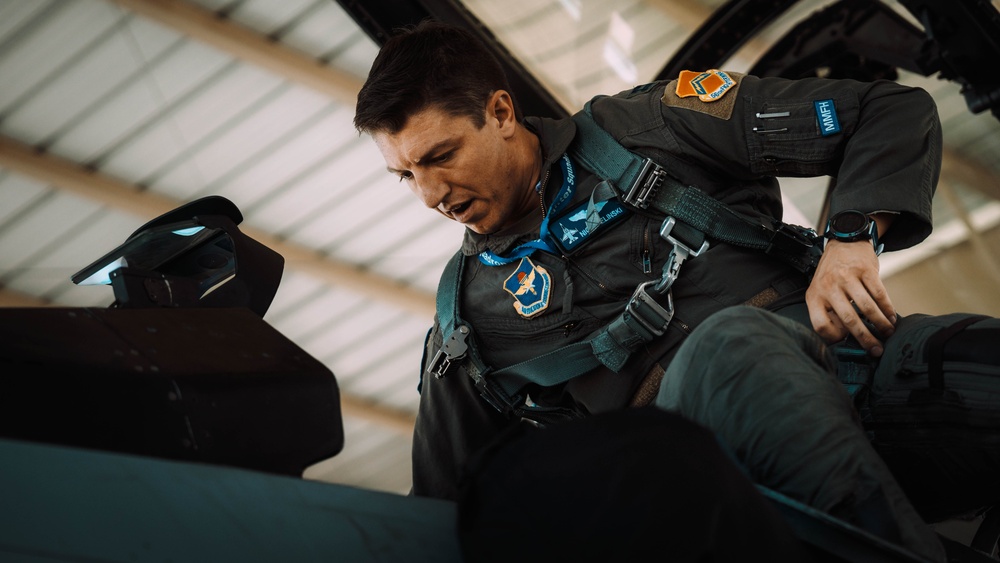
Your 2026 Blue Angels Roster
The certified 2026 demonstration team:
- #1 (Boss): Commander Alex Armatas
- #2 (Right Wing): Lt. Cmdr. Thomas Zimmerman
- #3 (Left Wing): Lt. Scott Goossens
- #4 (Slot): Lt. Amanda Lee
- #5 (Lead Solo): Lt. Cmdr. Brian Vaught
- #6 (Opposing Solo): Lt. Katlin Forster
That’s what makes this roster endearing to us Blue Angels fans — it includes two female pilots, Lee and Forster, marking the most diverse Blue Angels lineup in the team’s 78-year history. That matters.
Season Opener Is Close
The 2026 season kicks off March 14-15 at the NAF El Centro Air Show. This is traditionally the team’s first public performance right after winter training, and it gives fans a unique chance to see the Blues in their training environment.
“El Centro has supported us for decades,” Armatas said. “Opening the season here feels like family.”
The full 2026 schedule includes over 60 demonstrations at venues across the United States and Canada. Get your calendars ready.