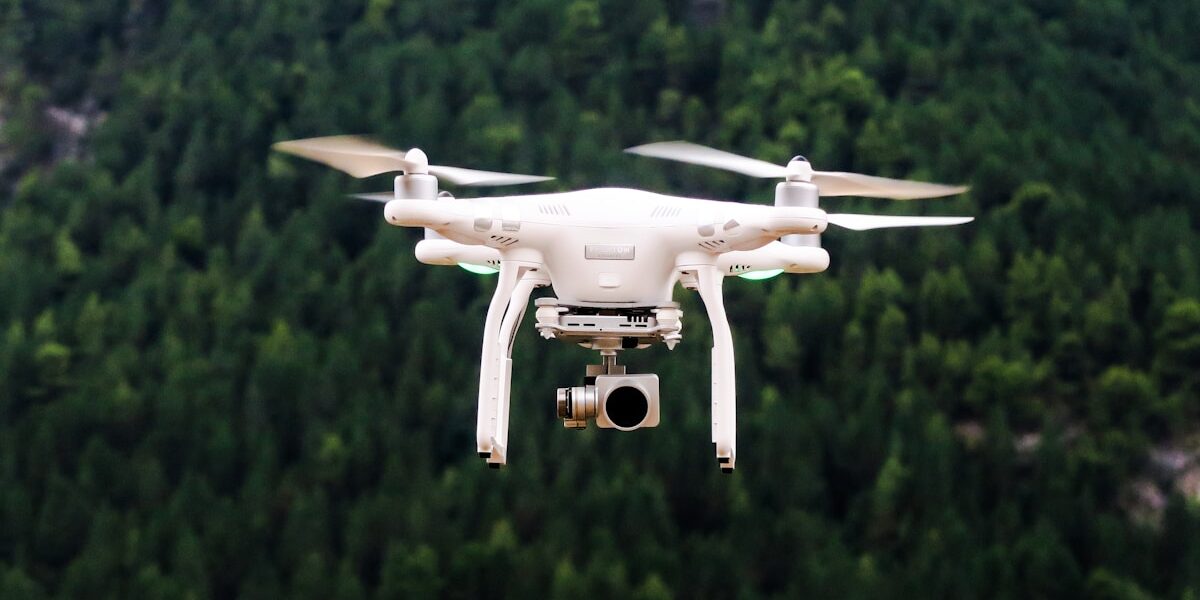
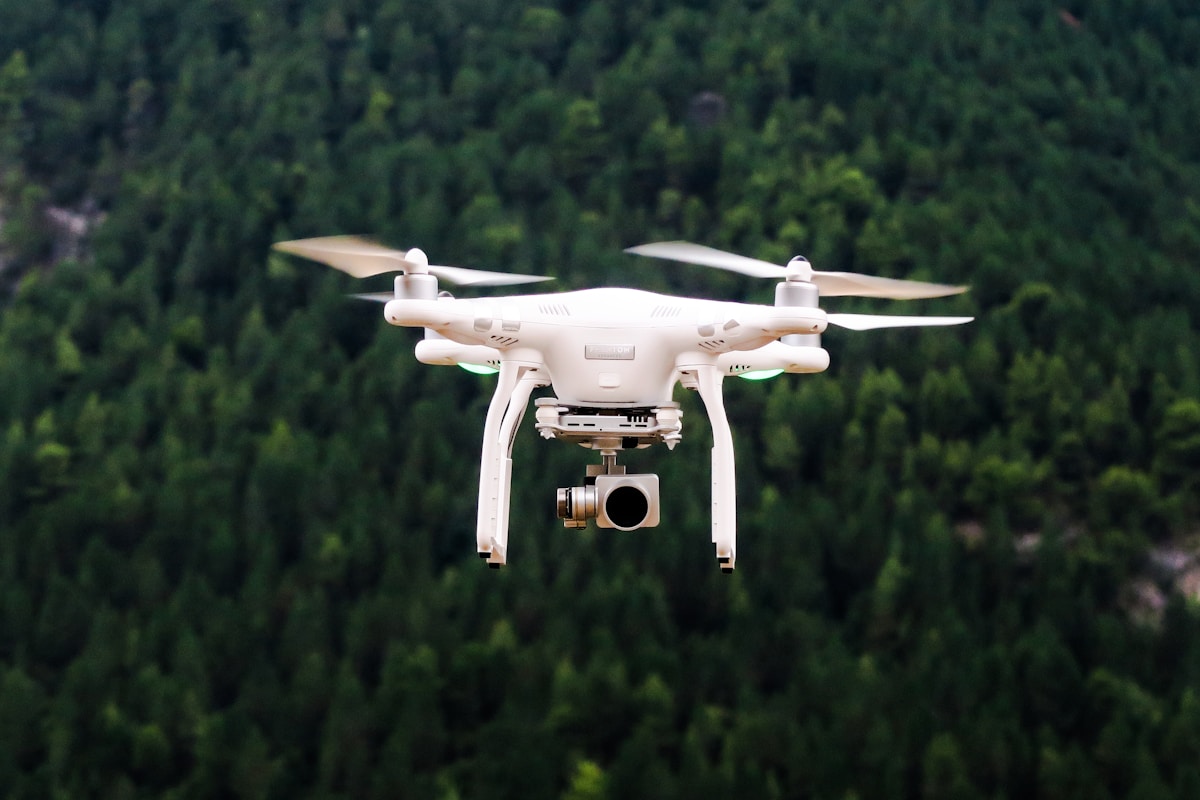
The drone show situation at airshows has gotten complicated with all the debate flying around between traditionalists and tech enthusiasts. As someone who has been watching this trend develop firsthand at shows across the country, I learned everything there is to know about where things stand and where they are headed. Today, I will share it all with you.
The numbers are hard to argue with: airshows featuring dedicated drone light show segments have more than doubled heading into 2026. According to data from the International Council of Air Shows, 47 major North American airshows now include drones in their official programming. That is up from just 21 in 2024. The growth reflects both advancing technology and shifting audience expectations.
Why the Explosion?
“Three years ago, a drone show was a novelty — something to draw attention,” said ICAS president John Cudahy. “Now it’s becoming expected. Families specifically ask whether there will be a drone segment when deciding which shows to attend.”
Probably should have led with this section, honestly. Several factors are driving the boom:
- Costs dropped hard: Drone swarm technology prices have fallen 60% since 2022
- The visuals got serious: Modern systems deploy 1,000-plus drones creating detailed 3D imagery
- Perfect safety record: Zero spectator injuries across over 500 shows
- Environmental angle: No smoke, debris, or chemical fallout
- Fills a gap: Night programming after sunset when traditional flying ends
The Technology Is Genuinely Impressive Now
Modern shows use GPS-synchronized swarms that create everything from American flags to animated aircraft to corporate logos in the night sky. The biggest productions now deploy upward of 2,000 individual drones, each carrying programmable LEDs capable of millions of colors.
“What we can create now versus even two years ago is night and day,” said Sarah Chen, operations director at Verge Aero. “We’re doing 3D animations, color transitions, formations that morph in real-time. The sky has become a canvas.”
A typical airshow drone segment runs 12-18 minutes and costs between $50,000 and $250,000 depending on drone count and complexity. Not cheap, but for shows that run at night, there are not many alternatives.
The Pushback from Purists
Not everyone is on board. Some airshow traditionalists argue that drone shows dilute the focus on actual aircraft. I get it.
“I come to airshows to see jets and warbirds, not a light display,” said longtime attendee Mike Garrison. “It’s like going to a car show and spending half the time watching a laser presentation.”
That’s what makes this debate endearing to us airshow regulars — people feel strongly about what these events should be. But organizers counter that drone segments attract families with young kids who might not sit through hours of flight demonstrations. Ultimately, that grows the overall airshow audience. More fans is good for everyone.
What 2026 Has in Store
Several shows are pushing boundaries this year:
EAA AirVenture Oshkosh will debut a record-breaking 3,000-drone show synchronized to a live orchestra. That is going to be something to see.
MCAS Miramar Air Show is developing a segment that recreates famous aerial battles from aviation history using drones. I am very curious how they pull this off.
Sun ‘n Fun Aerospace Expo plans an educational piece using drones to explain principles of flight to younger attendees. Smart move.
Where This Is Headed
Industry analysts predict drone shows will become standard at virtually all major airshows within five years. The technology keeps advancing — manufacturers are working on smaller, brighter, and longer-lasting drone systems.
“We’re just scratching the surface,” Chen said. “In a few years, drone shows won’t be an addition to airshows — they’ll be a category as established as aerobatic flying or warbird demonstrations.”
Whether you love them or roll your eyes, the 2026 season offers more opportunities than ever to see where drone technology meets traditional aviation spectacle. It is worth experiencing at least once with an open mind.