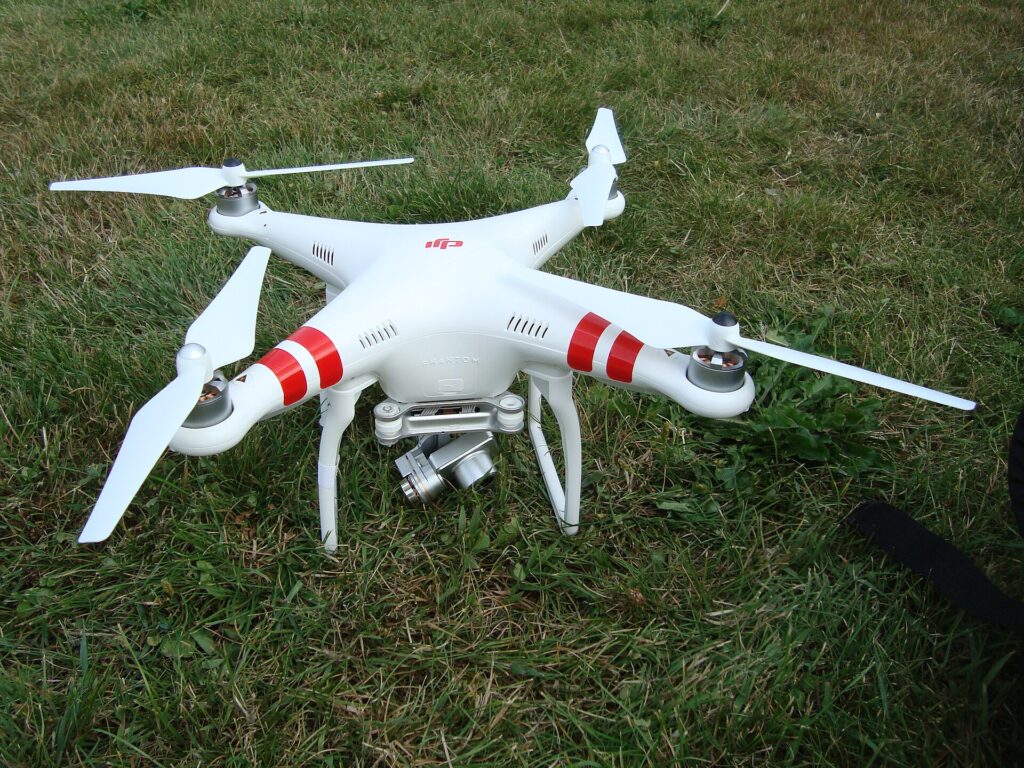
DJI Phantom quadcopter. David J from Alingsås, Sweden Image source · CC BY 2.0
Corrected November 16, 2026: This page previously had an unrelated logo title. It now explains the FAA remote-pilot certification process.
For a first-time applicant, the Part 107 route starts with the FAA’s Unmanned Aircraft General–Small knowledge test. Certification and recurrent training are separate steps.
First-time applicant checklist
- Check eligibility: age 16 or older, English proficiency, and the ability to operate a drone safely.
- Create an IACRA profile to obtain an FAA Tracking Number.
- Book an FAA-approved testing center and bring government-issued photo identification.
- After passing, apply through IACRA using FAA Form 8710-13 and your knowledge-test result.
- Complete the FAA’s processing steps and keep the certificate accessible during operations.
What to study
Use the FAA’s published topics: regulations, airspace and flight restrictions, weather, aircraft loading and performance, emergencies, airport procedures, preflight checks, and night operations.
Keeping your knowledge current
Part 107 pilots need recurrent training within the preceding 24 calendar months. The FAA offers a free online recurrent course. This is not a requirement to retake the initial paid test every two years. Existing Part 61 pilots have a separate certification pathway.
FAA certification steps, study topics, and recurrent-training links.

Stay in the loop
Get the latest airshow spectacle updates delivered to your inbox.