How military demo teams actually work has gotten complicated with all the myths and half-truths flying around. As someone who has spent years watching these teams up close at shows across the country — and who has been lucky enough to talk with crew members and support staff behind the scenes — I learned everything there is to know about what goes into those jaw-dropping performances. Today, I will share it all with you.
Behind the breathtaking maneuvers are rigorous selection processes, intensive training cycles, and strict safety protocols that most spectators never think about. Let me pull back the curtain on the Blue Angels, Thunderbirds, and the other demo teams that make airshows unforgettable.
How These Teams Are Actually Organized
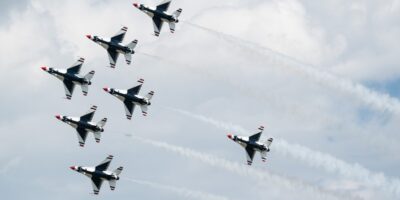
Probably should have led with this section, honestly. Most people think demo teams are just six pilots in cool jets. The reality is way bigger. A typical military demonstration team has approximately 130 to 150 total personnel. Only six to eight pilots actually fly in demonstrations. The rest? They are the massive support structure that ensures every single performance meets exacting standards.
The Pilots
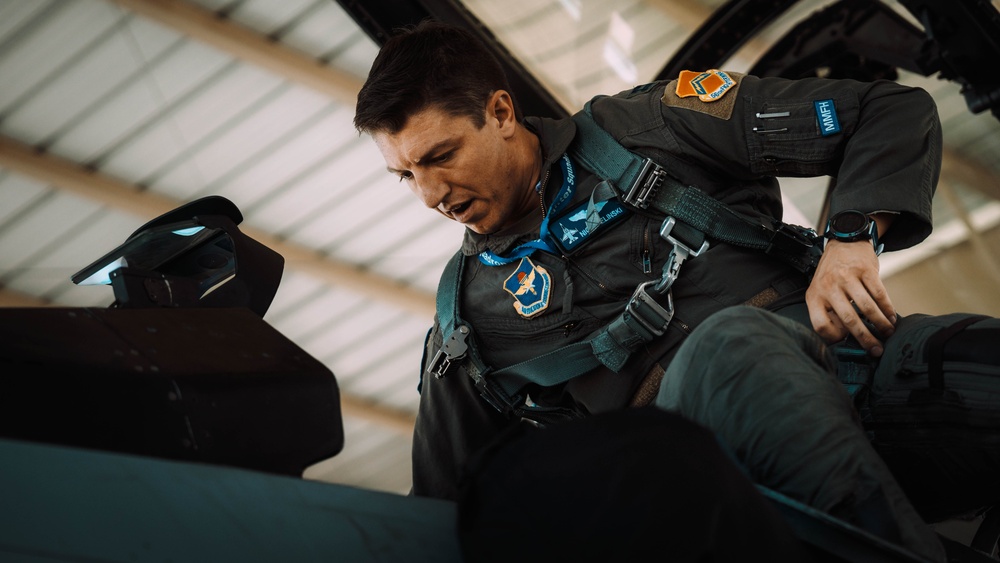
Demonstration pilots are active duty military officers. Navy and Marine Corps for the Blue Angels, Air Force for the Thunderbirds. These are experienced aviators with thousands of flight hours in tactical aircraft before they are even eligible to apply. Thousands of hours. Just to be considered.
Tours typically last two to three years. This ensures continuous turnover that keeps the team fresh while preserving the institutional knowledge that makes everything work. Returning veterans overlap with newcomers, passing down skills developed over previous seasons. The transition is carefully managed.
The Enlisted Support Crew
The vast majority of team members are enlisted personnel handling aircraft maintenance, logistics, administration, and public affairs. These specialists are the reason the jets perform flawlessly and every aspect of operations runs like clockwork.
Crew chiefs develop an almost intimate familiarity with specific aircraft. They often know their assigned jets better than the pilots who rotate through various positions. That expertise is invaluable for catching potential problems before they become safety issues. I have talked with crew chiefs who can diagnose engine sounds by ear. Wild stuff.
How Pilots Get Selected
Competition for these spots is fierce. We are talking hundreds of applications annually for a handful of openings. Selection committees evaluate flying skills, obviously, but also communication abilities, character, and potential as military ambassadors. Being a great pilot is not enough.
What You Need on Paper
Blue Angels applicants must be naval aviators with at least 1,250 tactical jet hours. They need to be carrier qualified and have completed at least one operational fleet tour. Character references from commanding officers verify the applicant embodies Navy core values.
Thunderbirds need Air Force fighter pilots with at least 1,000 hours of tactical jet experience. Same deal — applicants must demonstrate superior officer qualities and communication skills suited to the ambassador role that demo pilots fulfill. You are representing your entire service branch to the public.
The Interview Is Intense
Finalists visit the team for interviews that include interactions with current members, observation flights, and deep evaluation of interpersonal skills. Here is the kicker: teams vote on new members, and they need consensus from existing pilots for selection. If the current team does not unanimously want you, you are not getting in.
The process ensures new members integrate smoothly with team culture. These are people who fly feet apart at hundreds of miles per hour. Trust is not optional.
The Training Is Months Long
New pilots arrive in October and face months of intensive training before performing publicly the following spring. The buildup is methodical and there are no shortcuts.
Starting Small
Training begins with two-ship formation work, reestablishing fundamental skills that translate to larger formations. New pilots learn team-specific techniques that may differ significantly from fleet squadron procedures. You essentially relearn how to fly formation.
Gradually, formations expand. Three-ship, then four-ship, then eventually full six-ship configurations. Each step requires mastery before anyone moves forward. The pilots internalize skills so deeply that the flying becomes instinct.
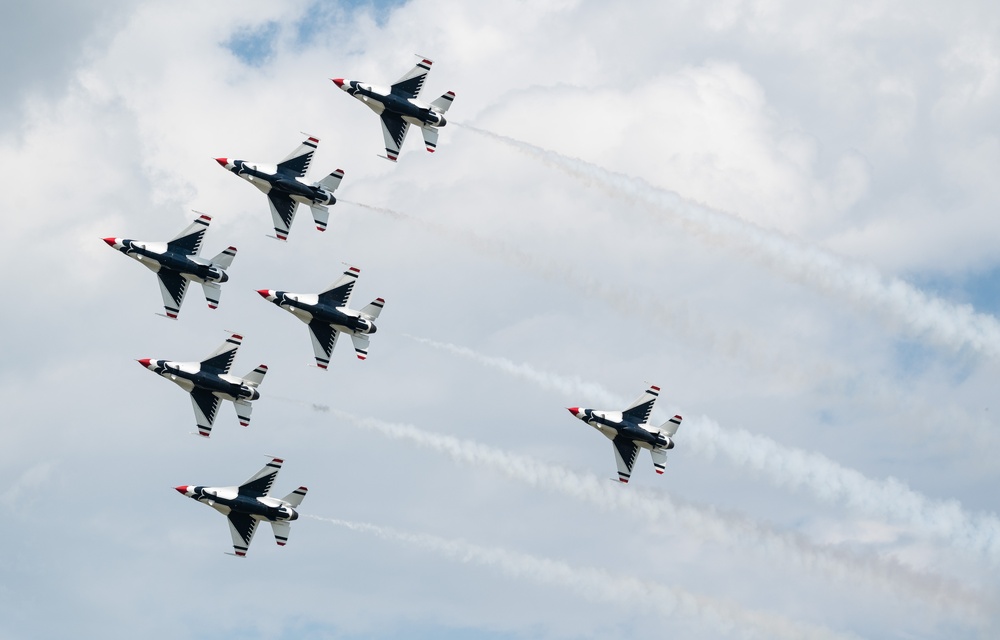
Building the Full Demo
Once basic formation work is solid, teams practice the specific maneuvers that make up their demonstration routines. Video review allows detailed critique of positioning, timing, and execution. Every flight gets dissected.
Practice continues throughout the entire show season. Teams fly multiple times per week between appearances. This continuous refinement maintains the razor-sharp precision that audiences expect but probably take for granted. Nothing about it is casual.
The Safety Protocols Are Uncompromising
Despite the apparent danger of flying mere feet apart at hundreds of miles per hour, these teams maintain remarkable safety records. That does not happen by accident. Comprehensive protocols anticipate and mitigate risks at every level.
Weather Limits Are Non-Negotiable
Strict weather minimums dictate exactly what maneuvers teams can perform under various conditions. Low ceilings and poor visibility trigger modifications to routines. Some maneuvers get deleted entirely if conditions prevent safe execution. There is no “let’s just try it and see.”
Pilots brief specific modifications before every single performance, so everyone knows exactly what the routine will include under that day’s conditions.
Inspections Go Way Beyond Normal
Pre-flight inspections far exceed standard military requirements. Multiple crew members inspect each aircraft using detailed checklists that verify every system. Any discrepancy — no matter how minor — grounds the aircraft until it is resolved. Spare jets stand ready to substitute if primary aircraft develop problems during preflight.
Emergency Prep Before Every Flight
Pilots brief emergency procedures before every single flight. They review specific actions for various failure scenarios. During high-G maneuvering, there is zero time for deliberation if something goes wrong — the correct response needs to be automatic.
Ground crews position emergency vehicles at predetermined spots during every performance, ready for instant response if needed.
The Ambassador Mission Nobody Talks About
That’s what makes demo teams endearing to us airshow regulars — they are not just performers. Beyond thrilling audiences, these teams serve as military ambassadors, representing their entire service branch to millions of people annually.

Community Work at Every Stop
Team members attend numerous community events during airshow visits. They meet local officials, visit schools and hospitals, and interact with the public face to face. These engagements humanize military service and create genuine connections between armed forces and civilians.
Here is something most people do not realize: pilots often spend more time on the ground meeting people than they do in the air flying. The ambassador role is a core team mission, not some afterthought or PR exercise.
The Recruiting Impact Is Real
Demo teams inspire countless young people to pursue military aviation careers. Seeing what military pilots can achieve in person motivates potential recruits in ways that no advertising campaign can match. Follow-up programs connect interested spectators with recruiting resources, turning inspiration into actionable career paths.
The Logistics Most People Never See
Moving a demonstration team to airshows across the country takes extensive logistics support that spectators never think about.
Fat Albert and the Supply Chain
The Blue Angels’ C-130 Fat Albert transports maintenance equipment, spare parts, and support personnel to each show site. This self-contained capability lets them operate at venues that lack military infrastructure. Completely autonomous.
The Thunderbirds run a similar operation, moving everything needed for total self-sufficiency at any venue. This mobility ensures consistent performance quality regardless of where they are flying.
Advance Teams Do the Groundwork
Personnel arrive at show sites days before the aircraft, coordinating with local organizers, confirming logistics, and setting up temporary facilities. This advance work ensures seamless execution when the jets finally arrive.
The precision visible in the airborne demonstrations reflects equally meticulous ground operations. The whole thing is a machine, and every part matters. Understanding these behind-the-scenes realities makes watching the performances that much more impressive. Those fleeting minutes of airborne artistry represent months of preparation and unwavering commitment from every single team member.