Airshow narration has gotten complicated with all the hot takes flying around about what makes a great announcer. As someone who has spent years glued to the PA audio at shows across the country — and who once had a long conversation with a veteran narrator behind the booth — I learned everything there is to know about this hidden art form. Today, I will share it all with you.
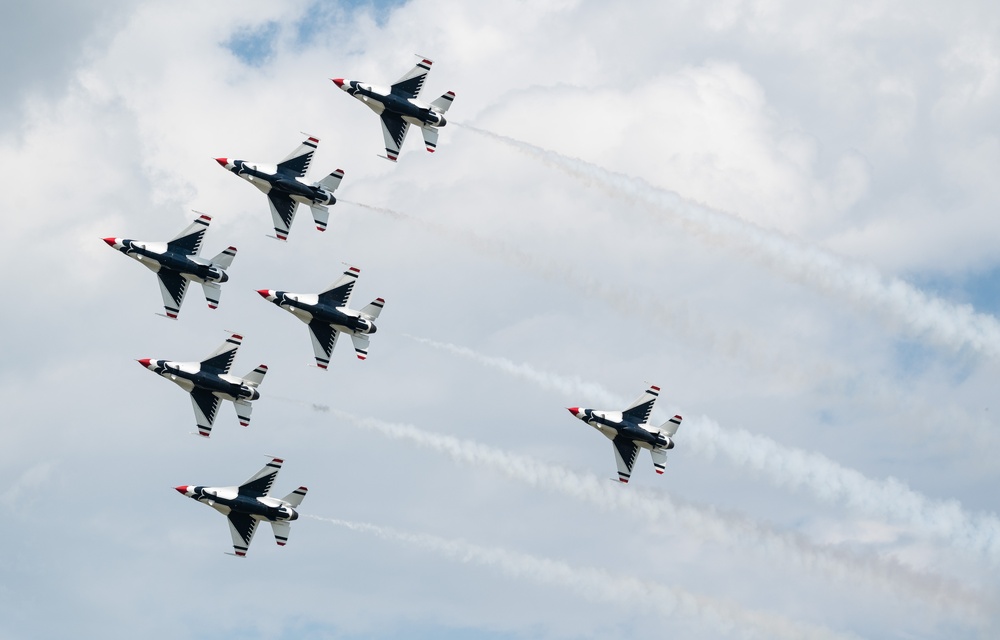
That voice booming from the speakers makes it sound effortless. “Here come the Blue Angels in their famous diamond formation…” Smooth. Polished. But behind that delivery is a skillset that takes years to develop and a whole secret language that most spectators never even notice.
They Are Not Reading Off a Script
Probably should have led with this section, honestly. The biggest misconception about airshow narrators is that they are reading prepared text from a teleprompter or a binder. In reality, the elite narrators work from rough outline points and improvise the actual words based on what is happening in real time.
“A script would be death,” says Rob Reider, one of the most respected voices in the business. “Aircraft don’t fly to scripts. Weather changes things. Pilots modify sequences. You have to react to what’s actually happening, not what was supposed to happen.”
Narrators get briefings from performers laying out the routine — sequence of maneuvers, rough timing, key moments. But turning those notes into actual engaging commentary? That happens live. No teleprompter. No second takes. No do-overs. When I found this out, it completely changed how I listened at airshows.
The Radio Feed You Never Hear
Here is something wild. While you are hearing the narrator through the PA system, that same narrator is wearing an earpiece carrying a completely different audio feed. This “hot mic” delivers real-time communication from performers, air bosses, and safety monitors directly into their ear.
So the narrator is essentially running two parallel tracks in their brain. The public voice is describing the beauty and power of flight. The private ear is monitoring for “knock it off” calls, weather holds, or sequence changes that could happen at any second.
“You might be mid-sentence describing a beautiful roll when you hear ‘aborting due to traffic,'” explains narrator Danny Clisham. “You have to smoothly transition from ‘watch this amazing maneuver’ to ‘the team is repositioning’ without the audience realizing something went wrong.”
The best narrators make these transitions seamless. You are in the crowd, you have no idea there is stress in their ear, no clue that commentary was completely improvised on the fly. It is remarkable when you think about it.
The Timing Is Where the Magic Lives
Next time you are at a show, pay attention to this. The narrator’s calls seem to anticipate maneuvers. “Here comes the knife-edge pass…” and then boom, seconds later there it is. Feels like prediction. It is actually memorization on a level that borders on obsessive.
Elite narrators study team routines like professional athletes study game film. They know that four counts after the solos begin their opposing approach, the jets will cross at show center. They know the diamond roll starts exactly when Lead’s nose drops three degrees. They internalize the timing until commentary becomes pure instinct.
“I’ve called the Blue Angels demo probably 300 times,” says Rob Reider. “I don’t think about timing anymore. My mouth knows when to say ‘sneak pass’ because my brain has synced with the routine over hundreds of repetitions.”
Three hundred times. Let that sink in. And the timing matters dramatically. Call it too early and the moment feels disconnected from the action. Call it too late and viewers see before they understand. The sweet spot is three to five seconds ahead — just enough to build anticipation. That “how did he know?” effect is what separates good narration from great narration.
The Secret Vocabulary
Airshow narration uses coded language that sounds completely natural to the audience but actually serves very specific purposes. Some phrases communicate with performers or officials while appearing to address the crowd. Sneaky stuff.
Let me decode some of these for you:
“Ladies and gentlemen, the team is repositioning…” What this actually means: Something unexpected happened and the aircraft are regrouping. Could be anything from a spacing issue to a safety concern.
“Due to the current conditions…” Translation: Weather or some other factor is affecting the show and we are not going to elaborate on why.
“For your safety, please remain behind the barriers…” Real meaning: Somebody is pushing past the crowd line and it needs to stop right now.
“Let’s give a round of applause as they set up for their next maneuver…” Honest truth: There is a gap in the action and I am filling dead air.
Once I started recognizing these phrases, I could not stop hearing them. It is like learning a new language and suddenly understanding conversations happening all around you.
The Physical Toll Is Real
Narrating a six-hour airshow demands vocal endurance that would challenge a stadium rock singer. Throat lozenges, specific hydration routines, and carefully planned voice rest between major performances are standard practice. These narrators treat their voices like athletes treat their bodies.
“I lost my voice mid-show once,” admits narrator Herb Hunter. “Nothing teaches you about pacing like having nothing come out when you open your mouth. Now I plan my energy carefully — save the big dramatic calls for the major demonstrations.”
Sun exposure compounds everything. Most narrators work from exposed booths with minimal shade. Heat plus continuous talking plus intense concentration creates fatigue that stacks up brutally during multi-day events. It is way more physically demanding than anyone in the audience would guess.
The Emergency Calls Nobody Wants to Make
Every narrator trains for the moment they pray never comes: an incident requiring emergency response. Shifting from entertainment mode to crowd management mode is rehearsed carefully but it is never comfortable.
“You have to keep people calm without lying to them,” explains Danny Clisham. “Something like ‘we’re experiencing a ground delay while crews address a situation’ buys time without creating panic. The worst thing you can do is go silent — silence lets imaginations run wild.”
Narrators receive detailed emergency communication briefings before every single show. Specific phrases and procedures vary by venue, but the core principles stay constant: keep people calm, redirect attention away from the incident, and trust that the emergency teams are doing their jobs.
The Art Nobody Talks About
That’s what makes airshow narration endearing to us who pay attention — the craft is invisible by design. What separates the good from the great is not volume or vocabulary. It is the ability to make spectators feel what they are seeing.
“Anyone can describe an airplane flying,” says Rob Reider. “The art is helping people understand why it matters. The history, the human element, the difficulty of what they’re witnessing. You’re not just calling a show — you’re telling a story about human achievement and courage.”
The greats research aircraft histories, interview pilots, and dig into the engineering behind flight. That background transforms generic play-by-play into meaningful context that makes the entire airshow experience deeper and richer.
Listen Differently Next Time
Next show you attend, change how you listen. Notice when the narrator builds anticipation just before a maneuver appears. Catch the smooth transitions during unexpected delays. Think about the stamina required to talk for hours straight while tracking multiple aircraft in three dimensions.
That voice from the PA booth is more than background noise. It is a live performance as demanding as anything happening in the sky — invisible artistry that makes the visible spectacle actually make sense.
The best compliment a narrator can receive? You did not notice them at all. Their words felt inevitable, perfectly matched to the action, like the flying had its own built-in soundtrack. That effortlessness represents years of practice, study, and split-second improvisation happening right there, just beyond what the crowd can see. Next time, listen for it. Once you hear it, you cannot un-hear it.