Naval Air Station Oceana Air Show: A Glimpse into Aviation History
Today, I will share it all with you — because if you’re thinking about going, you deserve more than the usual generic overview.

The Significance of NAS Oceana
Naval Air Station Oceana has been a cornerstone of Navy aviation since it was commissioned in 1943. It’s the primary training facility for Navy fighter pilots, which alone makes it kind of a big deal. Sitting on roughly 6,000 acres in Virginia Beach, Virginia, it’s one of the largest air stations in the country. The proximity to the Atlantic Ocean is strategic — gives them access to vast training ranges over open water. You’ll find several squadrons based here, including those flying the F/A-18 Hornet and Super Hornet. When those jets take off from Oceana, you can hear them for miles. People who live nearby barely notice anymore, but first-timers always do a double take.
But at its core, it’s still about two things: putting on an incredible show and educating the public about naval aviation. You’ll see everything from historic warbirds to the latest fighters, and the aerobatic maneuvers demonstrate both the capabilities of the aircraft and the skill of the pilots flying them. It’s entertainment and education wrapped into one day, and it works really well.
Highlights You Won’t Want to Miss
The Blue Angels are the headliner, obviously. If you’ve never seen them live, prepare yourself — the tight formations, the high-speed passes, the sheer noise of it all is something else entirely. Pictures don’t do it justice. Videos don’t do it justice. You just have to be there.
- Tactical demonstrations by F/A-18 Hornets showing what these jets can actually do
- Aerobatic performances by civilian stunt pilots who push the limits of what seems possible
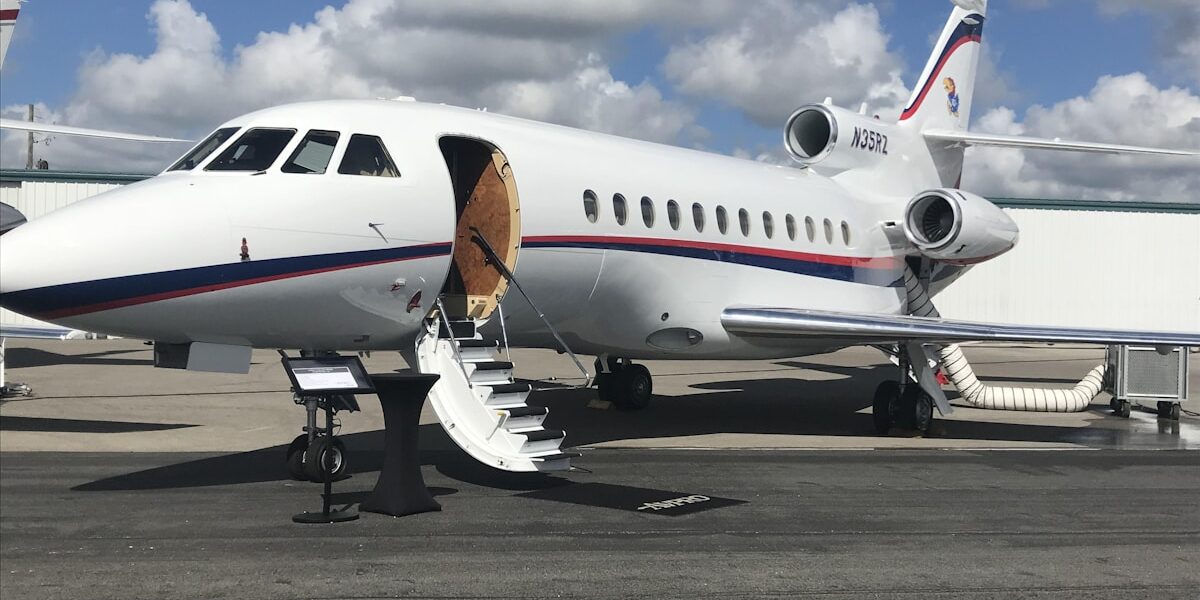
- Static displays of both historical and modern aircraft that you can walk right up to
The static display area is where I always end up spending a big chunk of my time. You can get within arm’s reach of these aircraft, and there’s usually Navy personnel standing by to answer questions. They’re genuinely enthusiastic about talking about their jets, which makes the experience so much better than just reading a placard.
A Learning Experience
The talks and exhibits cover aviation technology past and present, and some of the historical displays trace the evolution of naval aviation through the decades. If you’re into how flight technology has progressed, this is basically a hands-on museum that also happens to have live jet demonstrations overhead.
Historical Warbirds
For a lot of us, the warbirds are the emotional highlight. These meticulously restored aircraft represent different chapters of military aviation history, and seeing them in person — hearing those old radial engines fire up — connects you to something bigger. They’re not just display pieces. Many of them still fly, and when they do, it’s genuinely moving.
Community Connection
The air show is really about building a bridge between the Navy and the civilian community. It gives people a window into military life that you just can’t get any other way. The interactive sessions where you can talk directly with pilots and crew members are some of the best parts of the whole event. These aren’t scripted PR interactions — they’re real conversations with people who are passionate about what they do.
Safety First
You’re on a military installation, so security is tight. The FAA oversees these events to make sure safety protocols are followed to the letter. It might feel like a hassle going through security at the gates, but it moves faster than you’d expect and it’s there for everyone’s protection.
Volunteers Make It Happen
The volunteers at this event deserve a shout-out. They handle everything from crowd management to logistics, and many of them are aviation enthusiasts themselves. That personal touch shows — you can tell they actually care about making the experience good for everyone.
Economic Boost for Virginia Beach
The air show draws massive crowds, and that’s great news for local businesses. Hotels, restaurants, and shops see a significant uptick in revenue during show weekend. It’s one of the biggest tourism events for the area, and the economic ripple effects are substantial.
Environmental Awareness
The organizers have been making an effort to address the environmental impact of air shows, which I appreciate. Minimizing fuel consumption, exploring biofuels for demonstrations, and implementing waste reduction measures at the venue are all steps in the right direction. It’s an ongoing process, but the awareness is there.
Inspiring the Next Generation
There’s nothing quite like watching a kid’s face light up during a flight simulator session. The air show has programs specifically designed to spark interest in aviation careers among young people. I’ve talked to current Navy pilots who say their first air show experience is what set them on their path. That kind of inspiration is priceless.
Accessibility
The event is set up to be accessible to everyone, with dedicated facilities and accommodations for visitors with disabilities. If you need specific assistance, reaching out to the organizers beforehand ensures everything is ready when you arrive.
Looking Ahead
The air show also serves as a showcase for emerging aerospace technologies. Drones, unmanned aerial systems, and other cutting-edge tech often make appearances, giving visitors a glimpse of where military and civilian aviation is headed. Companies use the platform to unveil new advancements, and it’s fascinating to see what’s in the pipeline for the future of flight.



Stay in the loop
Get the latest wildlife research and conservation news delivered to your inbox.