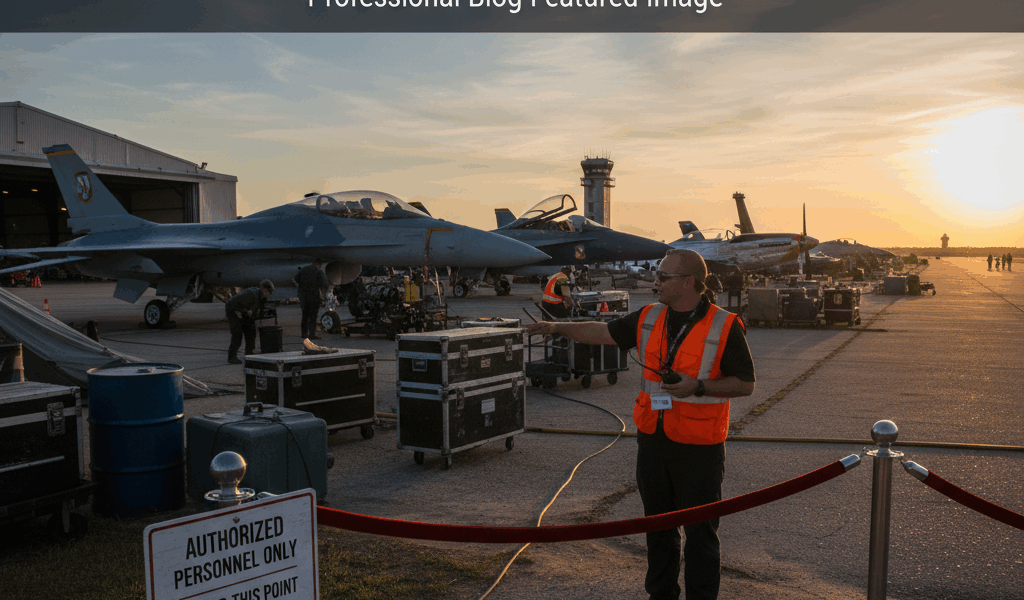

What spectators see is the polished performance. What we see? Radio chatter, hand signals, and a stunning amount of improvisation. Here is what airshow volunteers know that you probably do not.
The Weather Call Happens Before Your Alarm Goes Off
While you are checking the forecast on your phone over breakfast, event organizers have been glued to specialized aviation weather services since 4 AM. The go or no-go decision is often made before the gates even open.
What the public never sees: the frantic phone calls between demonstration team commanders, FAA safety inspectors, and show organizers. The debates about ceiling heights and visibility minimums can get surprisingly heated. There is real money on the line — canceling costs hundreds of thousands of dollars. But proceeding in marginal conditions risks lives and liability. It is a brutal calculation every single time.
Those “weather hold” announcements you hear on the PA? They often mask negotiations happening in real time. A team might agree to fly a modified routine at lower altitude. Or delay thirty minutes hoping conditions improve. Or flat-out refuse to fly despite organizers practically begging for a reduced demonstration.
I have personally watched performers walk away from shows when organizers pushed too hard. And honestly? Those are exactly the professionals you want flying over your head. The ones who say no when conditions do not meet their standards.
The Radio Traffic Would Freak You Out
Spectators hear calm PA announcements. We hear crackling radios that sound like controlled panic. “Golf cart needed at static 7 immediately,” then “medical to the south ramp,” then “lost child at gate 3.” All in rapid succession.
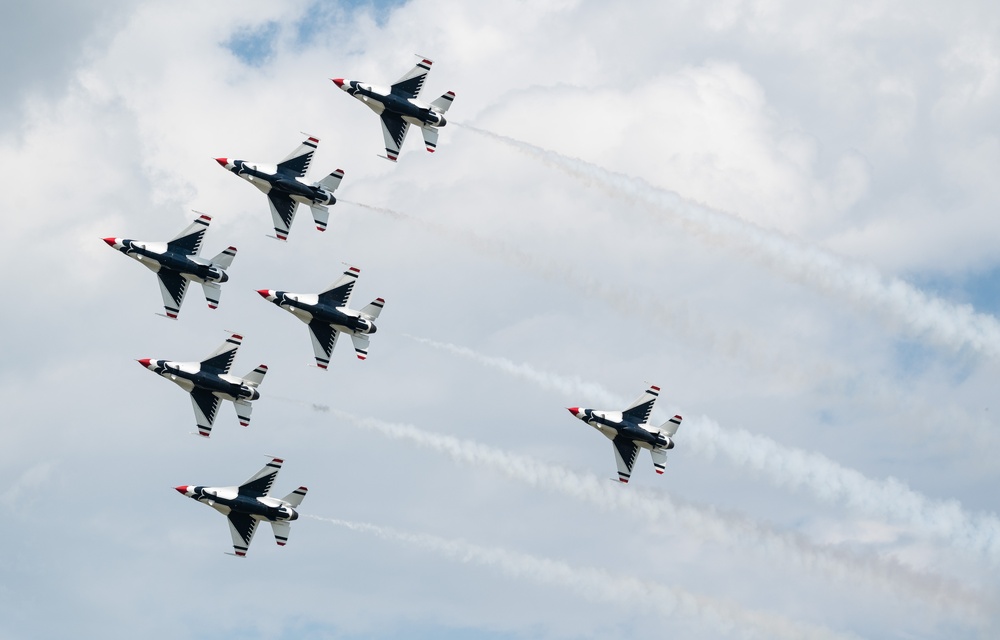
The simultaneous conversations would overwhelm most people. Safety monitors track aircraft movements. Crowd control manages bottlenecks. Medical teams respond to heat exhaustion cases — and trust me, there are always heat exhaustion cases. Parking coordinators shuffle vehicles like chess pieces. All of this happens continuously while jets scream overhead at ear-splitting volume.
One thing I have noticed after years of listening: the best-run shows stay calm on radio. Panic in the voice travels faster than the situation actually warrants. The organizers who have done this for decades speak quietly and clearly, even during genuine emergencies. You can tell the veterans from the rookies by their radio voice alone.
We Watch the Crowd, Not the Aircraft
During performances, volunteers face the crowd with our backs to the action. We are watching for medical distress, wandering children, prohibited photography in restricted areas, and the inevitable person who thinks the rules do not apply to them.
Every show. Every single show. Someone tries to duck under a barrier for a better camera angle. We are trained to intercept them before they become a safety incident — or worse, cause a performer to abort a maneuver because an unauthorized person wandered into the safety zone.
My most memorable intervention? Physically blocking a photographer who sprinted toward the runway during a jet demonstration. He did not understand that his presence in the safety zone could have cancelled the entire show. He saw an opportunity for a killer shot. I saw liability and FAA violations. Not the same thing.
The Performers Are More Nervous Than You Would Guess
Demonstration teams and solo performers project absolute confidence in public. Behind the scenes, they are human beings dealing with pressure that would break most of us.
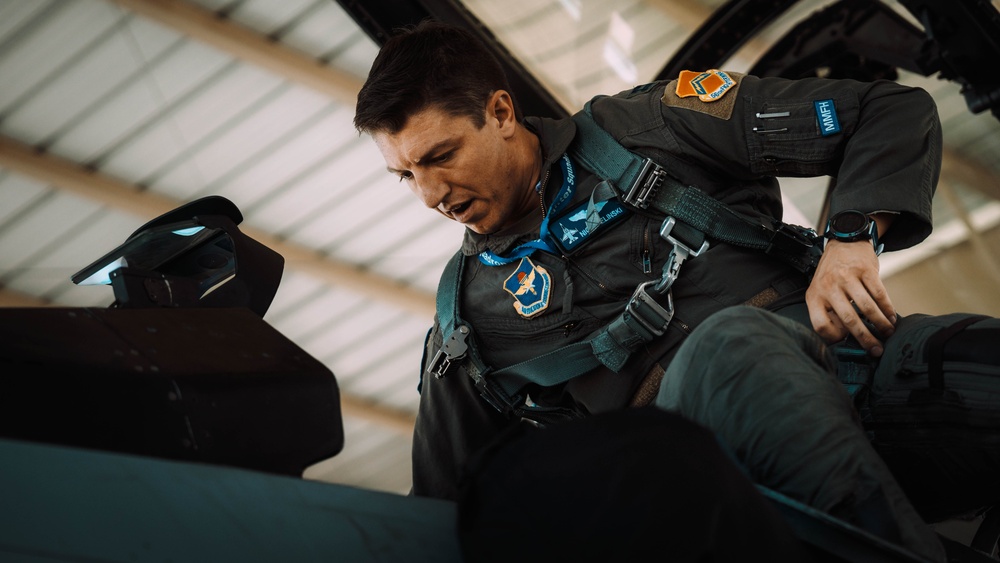
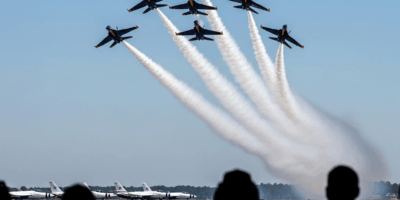
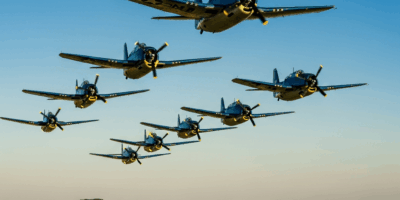
I have watched Blue Angels pilots pace silently before briefings. I have seen civilian aerobatic champions physically sick from anxiety minutes before climbing into their aircraft. I have heard the tremor in a warbird pilot’s voice during radio check, knowing he is about to fly a three-million-dollar irreplaceable aircraft in front of thousands of witnesses.
They never show fear in public. The image matters — it is part of the show. But they are not machines. The stakes of demonstration flying are very real, and every performer knows exactly what is on the line.
Aircraft Break During Shows
Hydraulic leaks appear. Engines run rough. Control systems develop weird anomalies. The performers do not mention it. Neither do we.
What you do not see: the mechanic sprinting across the ramp with a replacement part. The emergency inspection squeezed in between demonstration sequences. The pilot who quietly declined to fly the second pass because something did not feel right on the first one.
These interventions happen at every show I have ever worked. They are why the safety record is as good as it is. The public sees seamless performances. We see the continuous, tireless effort that makes them seem seamless.
The Vendors Keep the Lights On
Here is a reality most spectators do not think about. Airshows survive financially on vendor fees and concessions, not ticket sales. That hot dog you buy? It subsidizes the Blue Angels’ appearance. The vendor tent selling aviation memorabilia paid $15,000 for that space. The carnival rides exist because they bring families who spend money.
This economic reality shapes everything about how airshows are programmed. Family-friendly acts get booked because families spend money. Those gaps between performances are not accidents — they are built in so you will wander over to the vendors.
I am not saying this cynically. The model works. But understanding it explains decisions that otherwise seem totally arbitrary.
The Cleanup Starts Before the Last Jet Lands
While spectators file out, volunteers descend on the venue like an army. Trash does not pick itself up. Barricades do not stack themselves. The transformation from packed airshow back to empty airport takes a fraction of the time that setup required.
I have helped break down shows until midnight, then been back at 5 AM for next-day setup. The people who make airshows happen are generally unpaid. We do it because we love aviation and understand that without volunteers, these events simply could not exist at the price points people expect.
Why We Keep Coming Back
The hours are long. The work is physical. The sun is absolutely brutal. The pay is non-existent.
So why do it year after year? Because we see the kids who light up when a jet passes fifty feet overhead. Because we talk to veterans who flew the same aircraft now performing overhead. Because we are part of something that brings joy to hundreds of thousands of people in a single weekend.
And honestly? The view from behind the rope line is pretty spectacular when we do get a chance to look up.

Stay in the loop
Get the latest airshow spectacle updates delivered to your inbox.