
Airshow photography presents unique challenges and rewards that set it apart from other forms of photography. This comprehensive guide covers everything you need to know to capture stunning images of aircraft in flight, from basic equipment choices to advanced techniques used by professional aviation photographers.
Chapter 1: Essential Camera Equipment
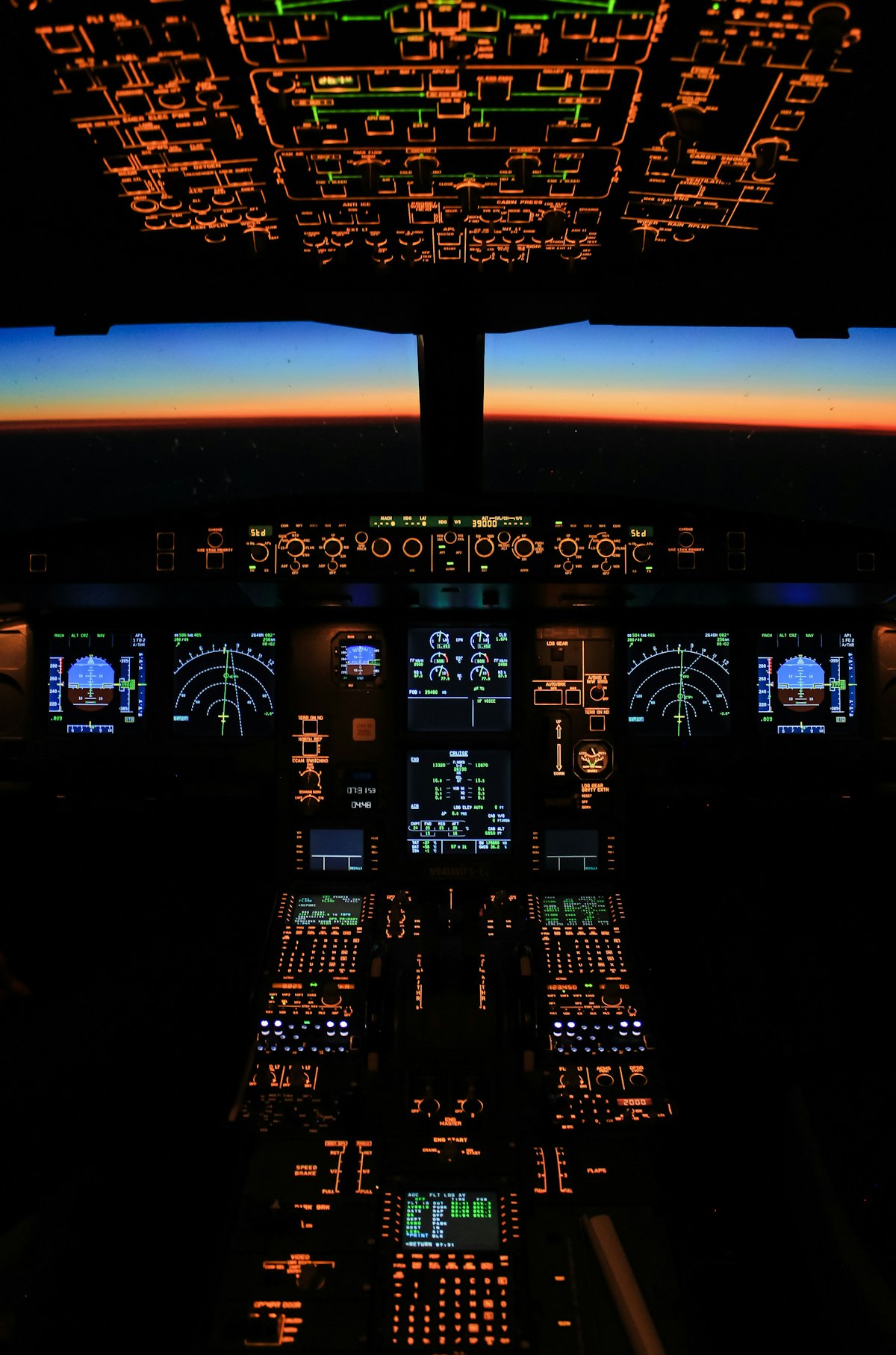
Camera Body Selection
Your camera body choice significantly impacts your airshow photography success. Fast autofocus systems are essential for tracking aircraft moving at hundreds of miles per hour across the sky. Modern mirrorless cameras offer exceptional autofocus performance with subject tracking that can follow aircraft through complex maneuvers. DSLR cameras remain capable performers, particularly higher-end models with sophisticated autofocus modules.
Continuous shooting speed matters when capturing split-second moments. Look for cameras capable of at least 10 frames per second, with professional models offering 20 or more frames per second. Buffer depth determines how many images you can capture in a burst before the camera slows, so larger buffers provide more flexibility during extended passes.
Sensor resolution presents tradeoffs. Higher resolution sensors capture more detail for cropping but may reduce burst speed and generate larger file sizes. For most airshow situations, 24-30 megapixels provides an excellent balance of detail and performance. Full-frame sensors generally offer better high-ISO performance for low-light situations like twilight shows.
Lens Selection
Telephoto reach is crucial for airshow photography. A 100-400mm zoom provides versatility for varying distances, while 150-600mm or 200-600mm supertelephoto zooms offer greater reach when aircraft are farther away. Prime lenses like 500mm f/4 or 600mm f/4 provide superior optical quality but at significant cost and weight.
Aperture determines both light gathering and background blur capability. Fast apertures like f/4 allow faster shutter speeds and better subject isolation. Slower apertures like f/5.6 or f/6.3 on consumer supertelephoto zooms require higher ISO settings in challenging light but remain fully capable for airshow photography.
Image stabilization helps dramatically for handheld shooting. Modern lens and in-body stabilization systems provide 5-7 stops of shake reduction, enabling handheld shots that previously required tripods. For panning shots tracking aircraft across the sky, stabilization modes designed for horizontal movement help maintain sharp results.
Supporting Equipment
Monopods provide stability without the bulk and setup time of tripods. They support heavy lenses during long show days while allowing quick repositioning as aircraft move across the sky. Carbon fiber models reduce weight for easier carrying.
Extra batteries are essential for all-day shooting. Modern cameras consume significant power, particularly mirrorless models with electronic viewfinders. Bring at least two spare batteries, and consider a battery grip for extended shooting without battery changes.
Memory cards must keep pace with high-speed continuous shooting. UHS-II SD cards or CFexpress cards provide the write speeds needed to clear buffers quickly. Bring multiple cards with sufficient capacity for thousands of images throughout the show.
Chapter 2: Camera Settings for Airshow Photography
Shutter Speed Considerations
Shutter speed selection balances motion blur and sharpness. For jet aircraft, shutter speeds of 1/1000 second or faster freeze the aircraft sharply. However, this creates static-looking propellers on piston aircraft. Prop-driven aircraft benefit from slower shutter speeds around 1/250 to 1/500 second that show propeller motion while keeping the fuselage sharp.
Panning technique becomes essential at slower shutter speeds. Smooth tracking of the aircraft through the frame enables sharp results even at 1/125 second or slower. This technique requires practice but produces dynamic images with motion-blurred backgrounds that convey speed and movement.
Aperture and Depth of Field
Aperture priority mode works well for airshow photography when combined with auto ISO. Set your lens to its sharpest aperture, typically one to two stops down from maximum. This ensures optimal image quality while maintaining reasonable shutter speeds.
Depth of field considerations differ from ground-based photography. Aircraft against sky backgrounds don’t require significant depth of field, so shooting wide open rarely causes focus issues. For static displays on the ground, stopping down provides sharper results across complex aircraft surfaces.
ISO Settings
Auto ISO with a maximum limit allows the camera to adapt to changing light conditions. Set maximum ISO based on your camera’s high-ISO performance, typically 6400 to 12800 for modern sensors. The minimum shutter speed setting in auto ISO helps ensure adequate speeds for freezing or panning motion.
Bright midday conditions may allow ISO 100-400 settings while maintaining fast shutter speeds. Overcast skies or late afternoon light requires higher ISO settings. Understanding your camera’s noise performance helps make appropriate tradeoffs between ISO and shutter speed.
Autofocus Configuration
Continuous autofocus modes track moving subjects. Configure your camera for continuous focus with subject tracking enabled. Modern eye detection and subject recognition features can help maintain focus on aircraft cockpits or other distinctive features.
Focus point selection strategies vary by camera system. Wide area or zone focusing modes work well when aircraft are small in the frame, while more precise spot focusing helps when filling more of the frame. Practice with your camera’s autofocus system before show day to understand its behavior.
Chapter 3: Composition and Technique
Framing Considerations
Leave space for aircraft to fly into the frame. Compositions with aircraft centered often feel static, while allowing space in the direction of travel creates more dynamic images. The rule of thirds applies to aviation photography as well, placing aircraft off-center for visual interest.
Background selection significantly impacts image impact. Clean blue sky provides a simple backdrop that emphasizes the aircraft. Clouds add visual interest and context. Avoid cluttered backgrounds with buildings, powerlines, or distracting elements when possible.
Timing and Anticipation
Peak action moments require anticipation and quick reactions. Smoke-on moments, gear deployment, weapons releases, and formation changes all present decisive moments. Learn typical demonstration routines to anticipate when these moments will occur.
Golden hour light at show opening or closing provides dramatic color and contrast. Backlit aircraft create silhouettes against colorful skies. Front-lit aircraft show maximum detail and color saturation. Understanding light direction helps select optimal shooting positions.
Panning Technique
Successful panning requires smooth, consistent movement. Start tracking the aircraft before you intend to shoot, maintain steady movement through the frame, and continue following after releasing the shutter. Your body rotation should come from the hips, not just arm movement.
Practice panning on slower-moving targets before attempting fast jets. Cars on nearby roads, birds in flight, or helicopters provide opportunities to develop technique. The muscle memory developed through practice enables instinctive tracking during fast-paced demonstrations.
Chapter 4: Show Day Strategy
Location Selection
Arrive early to scout shooting positions. Consider sun angle throughout the day and how it will illuminate aircraft from different positions. Runway orientation affects where aircraft will pass closest and what backgrounds will appear behind them.
Premium viewing areas often provide better sightlines but may restrict movement. General admission areas allow repositioning for varying conditions but may have obstructed views during peak times. Understanding show geometry helps optimize position selection.
Working the Static Display
Static display aircraft offer opportunities for detail shots impossible during flight. Arrive before crowds to capture clean images without spectators in frame. Golden hour light before show start provides dramatic illumination on polished aircraft surfaces.
Interior cockpit shots require wide-angle lenses and careful exposure. Reflections on canopies present challenges that polarizing filters can reduce. Getting low and shooting upward creates dramatic perspectives on large aircraft.
Managing Energy and Equipment
Airshows are physical endurance events. Stay hydrated and fed throughout the day. Bring comfortable shoes for standing on concrete surfaces. Protect yourself from sun exposure with appropriate clothing and sunscreen.
Protect your equipment from heat, dust, and potential rain. Camera bags with rain covers shield gear between shooting sessions. Lens cloths and blower brushes remove dust that accumulates throughout the day. Heat can affect battery performance and, in extreme cases, camera operation.
Chapter 5: Post-Processing Techniques
Basic Adjustments
Raw file processing provides maximum flexibility for adjusting exposure, white balance, and color. Typical adjustments include exposure compensation for bright skies, contrast enhancement to add punch, and clarity increases for detail emphasis.
Cropping refines composition after the fact. Leave room when shooting for post-capture cropping adjustments. Higher resolution sensors provide more latitude for aggressive crops while maintaining output quality.
Advanced Techniques
Selective adjustments draw attention to aircraft within the frame. Gradient filters can darken bright skies. Radial filters create vignettes that focus attention. Local adjustment brushes enable precise control over specific image areas.
Noise reduction addresses high-ISO shooting challenges. Modern software provides excellent noise reduction while preserving detail. Finding the balance between noise removal and detail preservation requires practice and experimentation.
Chapter 6: Building Your Portfolio
Image Selection
Ruthless editing separates good portfolios from great ones. Choose only your strongest images for display. Multiple similar images dilute portfolio impact. Focus on technical excellence and emotional resonance in selection decisions.
Sharing and Display
Social media provides immediate sharing opportunities. Instagram, Facebook, and Twitter aviation communities appreciate quality airshow imagery. Using appropriate hashtags helps images reach interested audiences.
Print sales and licensing provide potential revenue streams. Aviation magazines, calendar publishers, and aircraft manufacturers all use aviation photography. Building relationships within the aviation community opens opportunities for publication and commissions.
Conclusion
Airshow photography combines technical challenge with artistic opportunity. Mastering equipment, technique, and artistic vision enables capturing images that convey the excitement and beauty of flight. Practice between shows, learn from your results, and continue developing your skills. The rewards of successful airshow photography extend beyond the images themselves to the experiences and connections made within the aviation community.
Helicopters need a different panning approach than jets; review the common routines in our helicopter flight display guide before choosing a shutter speed.
After sunset, exposure and tracking become much more demanding; see our night air show photography and viewing guide before choosing settings.
Reserved enclosures can improve comfort but limit movement and sun-angle choices. See our VIP versus general-admission airshow guide before buying a photography package.
Rickenbacker’s daylight and twilight programs require different exposure planning. Review the event status in our Columbus Air Show Thunderbirds guide.


Stay in the loop
Get the latest airshow spectacle updates delivered to your inbox.