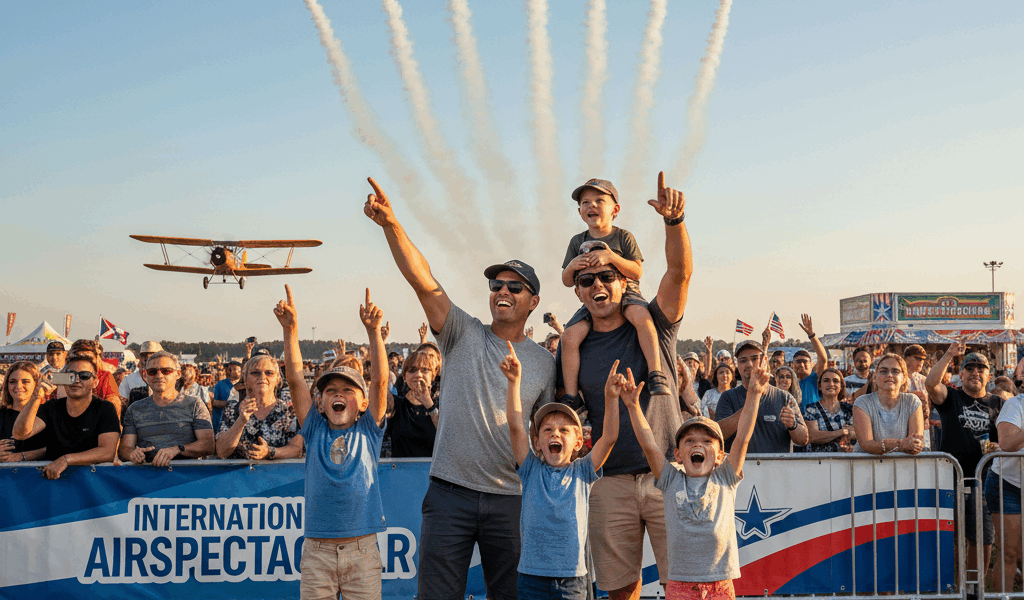
Taking your family to an airshow has gotten complicated with all the contradicting advice flying around from people who clearly have not done it with actual children. As someone who has dragged my own kids to shows since they were in diapers — dealing with the noise, the heat, the meltdowns, and the magic — I learned everything there is to know about making it work. Today, I will share it all with you.
With proper preparation, airshows become genuinely memorable family adventures that introduce your kids to aviation and create stories they will tell for years. Without preparation? Well, it can go sideways fast. Let me help you avoid that.
Getting Your Kids Ready for What They Are About to Experience
Airshows can be overwhelming for children, especially first-timers. The crowds, the extreme noise, the sensory overload — it requires some thoughtful prep to make sure the experience is positive rather than traumatic.
Set Expectations Before You Go
Watch airshow videos at home a few days before the event. Point out different aircraft types and explain basic maneuvers so your kids can recognize them during the actual show. This simple step transforms the experience from chaotic sensory overload into an exciting scavenger hunt. “Look, there is a Mustang! We saw that one in the video!”
Walk them through the day’s schedule in advance. Kids handle long events way better when they understand the timeline — when the big demonstrations happen, when breaks come, when the jets go loud. Set realistic expectations about crowds, walking distances, and wait times. No sugarcoating.
The Noise Is No Joke
Probably should have led with this section, honestly. Jet aircraft produce noise levels exceeding 120 decibels during close passes. That is loud enough to cause actual hearing damage without protection. Quality hearing protection is absolutely essential for every family member, especially children.
For infants and toddlers, invest in proper infant earmuffs rated for at least 20 dB noise reduction. They slip over small heads easily and stay in place better than foam earplugs that little fingers will immediately try to remove. For older kids, combination earplugs plus over-ear protection gives maximum coverage during the loudest moments.
Here is my biggest tip: practice wearing the hearing protection at home before the event. Some kids resist earmuffs initially but accept them much more readily after they have worn them during something fun. Build that positive association early.
What to Pack (Do Not Skip This Section)
Airshows happen outdoors with limited shade and facilities that get crowded fast. Packing right makes the difference between an amazing day and a miserable one. Trust me on this.
The Essentials
Sun protection is priority number one. Wide-brimmed hats for everyone. High-SPF sunscreen applied before you leave the house, not when you arrive. Sunglasses. Even overcast days can deliver serious sunburn after hours of outdoor exposure. Consider UV-protective clothing for the longer events.
Hydration prevents heat-related illness and also prevents the crankiness that ruins everything. Bring refillable water bottles and figure out where the refill stations are when you arrive. Plan to drink significantly more water than a normal day. Dehydration contributes to fatigue and irritability in kids and adults alike.
Snacks keep energy levels up between meal breaks. Pack high-protein options that do not melt in heat — trail mix, granola bars, crackers. Airshow food vendors exist, but prices run high and lines get long during peak times. Having your own stash saves money and sanity.
Comfort Matters
Portable chairs or blankets provide comfortable seating away from packed bleachers. Check the venue rules about chair sizes first — some places ban large camping chairs. Compact stadium seats work almost everywhere.
For younger kids, pack a favorite toy or stuffed animal. Familiar comfort items help in unfamiliar environments. A tablet loaded with aviation games or videos is gold during lulls between demonstrations. No shame in screens when you are managing a ten-hour outdoor day.
Throw together a small first aid kit: adhesive bandages, antiseptic wipes, pain relievers, and any prescription meds your family needs. Handling minor scrapes without trekking to a crowded medical tent is a win.
Timing and Positioning Strategy
Where you sit and when you arrive makes a massive difference in the family experience. A little strategy goes a long way.
Getting There
Gates usually open hours before flying starts. Early arrival means better parking, shorter entry lines, and time to explore static displays before the afternoon heat builds. The tradeoff is a longer overall day — weigh that against your family’s stamina honestly.
First thing when you walk in: identify restroom locations and pick an emergency meeting point. If family members get separated in the crowd, having a predetermined spot to regroup eliminates so much stress. We learned this one the hard way.

Picking Your Spot
Show center gives you the closest views of aerobatic maneuvers but also the worst crowds. Consider setting up slightly off-center for more breathing room and easier movement while still getting excellent views. With kids, the ability to move freely matters more than being front and center.
Spots near static display areas often provide solid viewing with easier access to shade, restrooms, and food. The parked aircraft also give kids something educational and interactive to explore during breaks in the flying program.
If you are attending multiple days, try different positions each day to compare. What you learn on day one makes day two significantly better.
Surviving the Long Day
Pacing yourselves is the single most important thing. Pushing too hard leads to meltdowns and early departures that leave everyone feeling like the day was a failure.
Build in Breaks
Plan rest stops during the less exciting parts of the flying schedule. Gap periods between headliner demos are perfect for eating, bathroom runs, and general decompression. You are not missing anything critical.
Find shaded rest areas away from the flightline where everyone can decompress. Even fifteen minutes of quiet makes a huge difference for kids and adults who are running on sensory overload.
Know When to Leave
Decide in advance when your family will call it. Staying through the finale means sitting in traffic for ages afterward. Leaving 15-20 minutes before the end avoids the worst congestion but means missing the grand finale.
If the kids are fading, leave after the main demo team performs. A positive experience that ends a little early creates far better memories than an exhausting death march to the bitter end. Nobody remembers the last ten minutes. Everyone remembers the meltdown in the parking lot.
Different Ages, Different Approaches
Babies and Toddlers
Tiny kids will not understand the aerobatics, but they often enjoy watching airplanes and soaking up the festival atmosphere. Keep first visits short — a few hours during static displays or early demos is plenty. Do not overcommit.
Strollers help with transport but navigate crowds terribly. Baby carriers keep your hands free and maintain close contact with infants who might get scared by the noise or the press of people.
School-Age Kids
That’s what makes airshows endearing to us parents of this age group — these kids are in the sweet spot. They understand what they are seeing. They can tell you what they liked. They have the stamina for a full day. Engage their interests by talking about aircraft types, letting them use the camera, and answering the endless stream of questions about aviation. This is the age where airshow memories really stick.
Teenagers
Teens may consider airshows uncool until they actually experience one. Frame it as a chance to witness incredible human achievement and technological capability, not a boring family outing. Giving teenagers photography responsibility or freedom to explore independently usually increases their engagement dramatically. Let them own some part of the experience.
Making Memories That Last
Beyond photos, there are smart ways to cement airshow memories that your kids will recall for years.
Grab a program and have the kids check off aircraft they have spotted. Mark favorites and scribble notes about memorable moments. These programs become surprisingly treasured souvenirs that trigger vivid memories long after the event.
If there are meet-and-greet opportunities with pilots or crew, take advantage. Even a brief interaction with an actual aviator makes the experience tangible and personal in ways that watching from a distance cannot match. Kids remember those conversations.
Talk about the experience during the drive home and in the following days. What did everyone enjoy most? What would they do differently? These conversations reinforce positive memories and start building anticipation for the next airshow visit.
With proper preparation and realistic expectations, airshows deliver extraordinary family experiences that combine entertainment, education, and shared wonder at what humans can achieve in the sky. Your kids will thank you for it. Eventually.