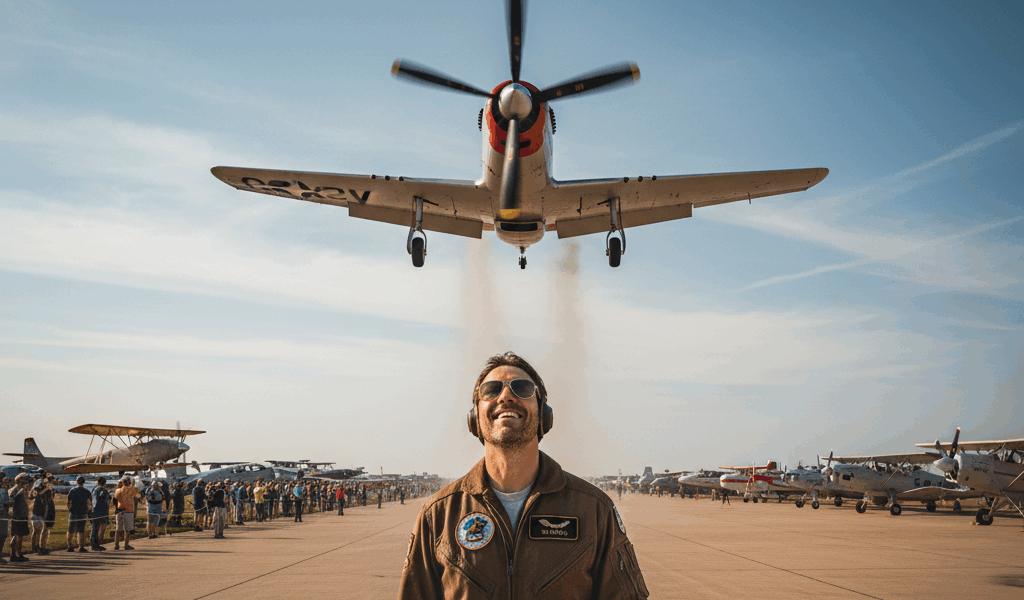
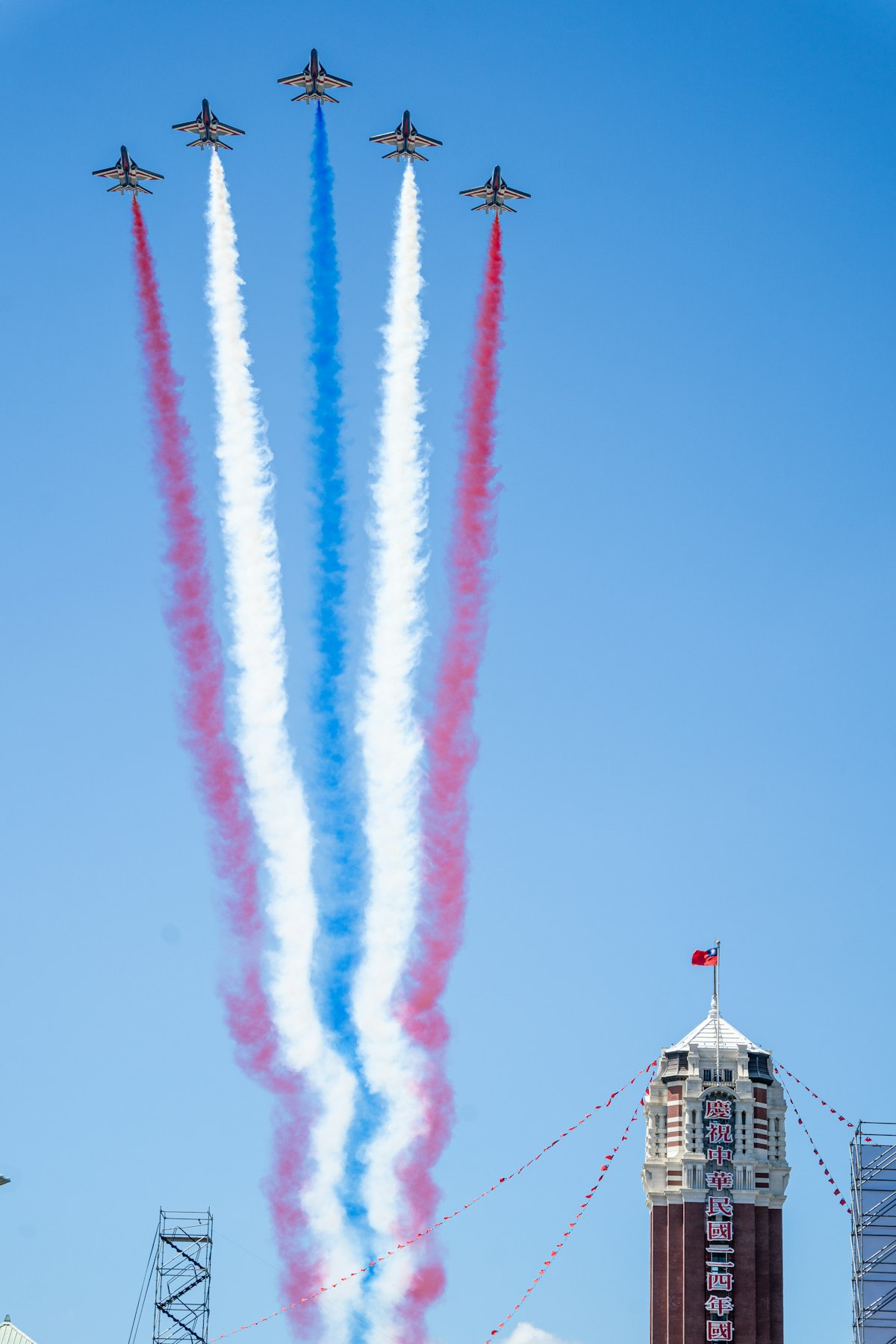
The Oshkosh experience has gotten complicated with all the advice and opinions flying around online. As someone who has stood on that flight line for fifteen consecutive years — in the heat, in the rain, in the eerie pre-dawn fog — I learned everything there is to know about what this place does to you. Today, I will share it all with you.
This is not a guide to AirVenture. There are plenty of those. This is an honest account of what it actually feels like to spend a week in the most intense aviation environment on Earth.
The Noise Rewires Your Brain
Probably should have led with this section, honestly. Everyone tells you to bring ear protection. They are not wrong. But nobody prepares you for the variety of sound at Oshkosh.
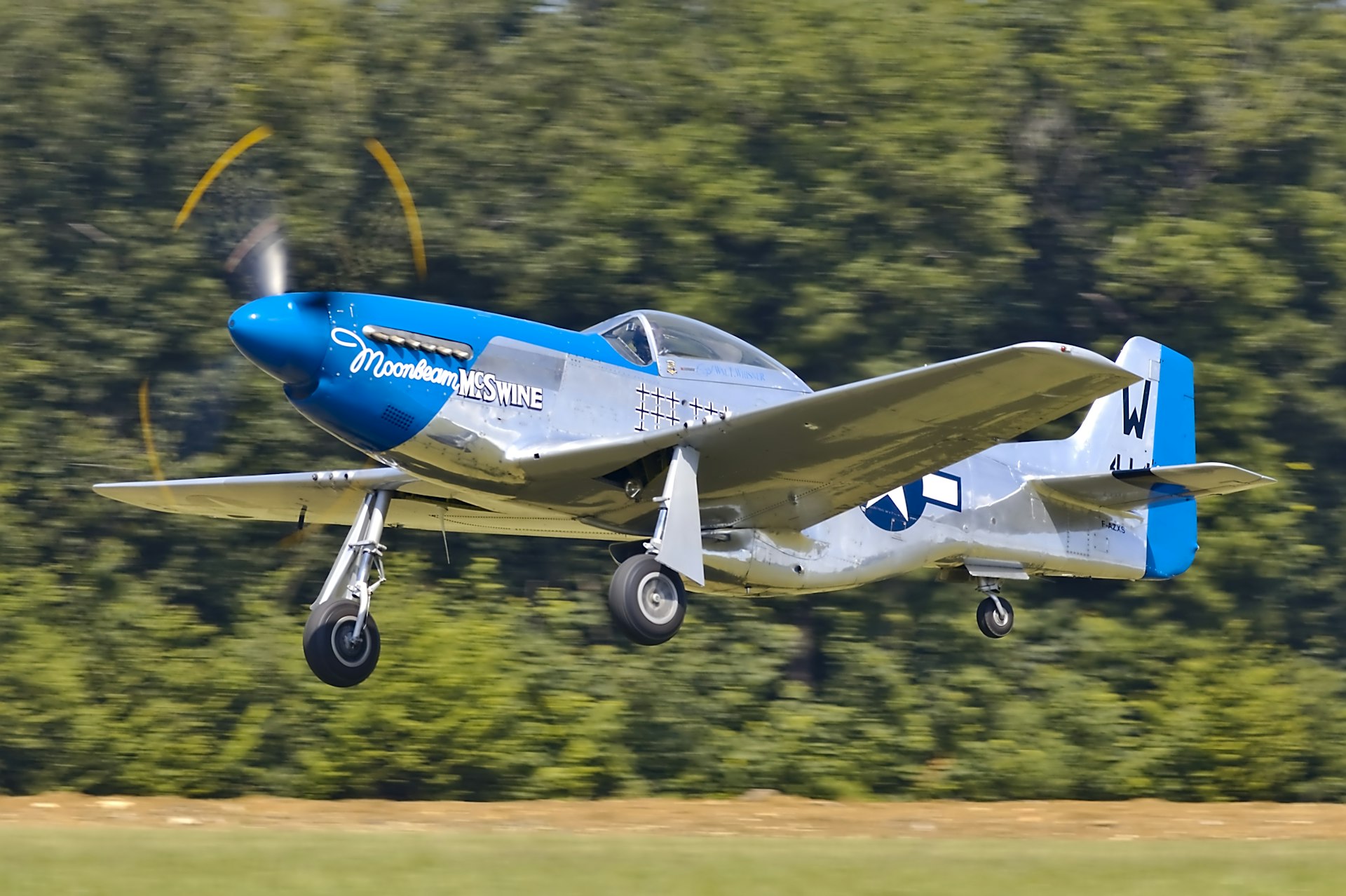
The Merlin engine on a P-51 sounds nothing like a Pratt and Whitney radial on a Corsair. The whistle of an F-35 does not resemble the thunder of a Vietnam-era Phantom. At Oshkosh, you hear all of them — sometimes simultaneously — and your ears start distinguishing aircraft by sound alone. It just happens.
By day three, you will identify an approaching warbird before you see it. By day five, you will know the difference between a Spitfire and a Mustang purely from the engine note. This is aviation immersion therapy, and it genuinely rewires your auditory cortex. I am not exaggerating.
But here is what nobody mentions: the quiet moments matter too. At 6 AM, before the daily airborne circus cranks up, fog settles over aircraft camping. You hear nothing but canvas flapping and coffee percolating. Two hundred thousand people. Ten thousand aircraft. And for about thirty minutes each morning, it is almost peaceful. Those moments are some of my favorites.
The Heat Will Break You
Wisconsin in July delivers humidity that drowns you slowly. The combination of reflective aircraft aluminum, concrete taxiways, and direct sunlight creates a microclimate that would give the Sahara a run for its money.
I have watched grown men — pilots who have flown actual combat missions — surrender to the heat by noon. The smart ones retreat to air-conditioned vendor tents and come back around 4 PM when shadows finally lengthen. The stubborn ones end up in the medical tent with heat exhaustion. Do not be the stubborn ones.
Here is what actually works: freeze water bottles overnight and stuff them in your bag. Wear a hat with a neck flap. Yes, you will look ridiculous. Vanity dies fast at Oshkosh. Accept that you will sweat through everything by 10 AM and dress accordingly. And whatever amount of sunscreen you think is enough? Double it.
Things Go Wrong and You Will See It
Nobody really talks about this part, but it is reality. With 10,000 aircraft and 16,000 operations packed into one week at a regional airport, incidents happen. Most years, you will witness something go wrong.
I have seen wheels-up landings, runway excursions, and prop strikes. I have watched smoke pour from engines during taxi. I have heard the sickening crunch of aluminum meeting dirt when a crosswind exceeded a pilot’s skill.
Miraculously, serious injuries remain rare. The crash-fire-rescue teams are world-class and positioned for instant response. But standing fifty yards from a burning aircraft while fire crews work teaches you something about what the stakes of flying really are. It is sobering. It is also strangely affirming — watching pilots walk away from crumpled airplanes reminds you how far aviation safety has come.
The People Change You
Oshkosh pulls everyone from billionaires in Citation jets to teenagers who saved for months to make the pilgrimage. The aviation community’s democracy is real here. Net worth means nothing when you are both staring at a Lockheed Constellation with the same expression on your face.
I have shared beers with astronauts. Gotten career advice from airline captains who have seen it all. Learned about homebuilt aircraft from engineers who designed their planes on kitchen tables. One conversation with an 89-year-old WWII veteran who flew B-24s over Germany taught me more about courage than any book ever could. I still think about that conversation regularly.
It happens organically. Stand next to someone looking at an interesting aircraft and ask a question. Everyone at Oshkosh wants to talk about aviation — that is literally why they are there. Normal social barriers just evaporate when shared passion is the price of admission.
The Night Shows Defeat Every Camera
Evening airshows at Oshkosh combine pyrotechnics, LED-equipped aircraft, and darkness in ways that mesmerize your eyes but completely defeat cameras. Photos cannot capture the three-dimensional experience of watching a lit aircraft trace patterns across a star-filled sky while fireworks burst below.
My advice? Do not bother shooting video. Your phone cannot do it justice. Just watch. Let your brain build memories that no screen will ever replicate. The night shows are why Oshkosh veterans book campsites years in advance. These experiences do not exist anywhere else on earth.
The Exhaustion Is Unlike Anything Else
First-timers plan to do everything. By Wednesday, they are napping in lawn chairs. By Friday, they are questioning their life choices. By Saturday, they are already planning next year’s trip. I have seen this cycle play out hundreds of times.
Oshkosh exhaustion is different from normal fatigue. Sensory overload combined with physical exertion combined with emotional intensity. You feel drained in ways sleep does not immediately fix. But it is the good kind of tired — the satisfaction of having wrung every possible experience out of each day.
The Drive Home Haunts You
That’s what makes Oshkosh endearing to us who keep coming back — the way it gets under your skin. When you finally leave — running on fumes, sunburned, probably dehydrated, definitely emotionally spent — something strange happens. Before you have even reached the highway, you are thinking about next year.
Oshkosh is addictive in ways that sound hyperbolic until you have actually been. The combination of aircraft, people, experiences, and shared passion creates something that cannot be replicated anywhere else. Veterans talk about “Oshkosh years” the way other people mark time by decades — the year they saw the last flying B-29, the year they met a childhood hero, the year weather grounded everything for two straight days.
If you have never been, go. Lower your expectations about what you will see and raise them for what you will feel. The aircraft are spectacular, but the experience transcends aviation entirely.
I will be back this July. Probably in the same spot, watching the same sunrise over the same flight line. And somehow, it will be completely different from every year before.